

Beaded Jewelry Sampling Process for B2B Buyers
Table of Contents
Related news

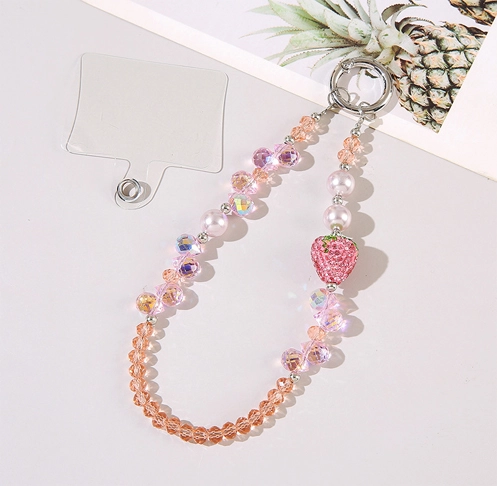

A jewelry drawing can look complete on screen and still leave production questions unanswered. Bead color may shift under real light, a bracelet may feel heavier than expected, or a clasp may sit awkwardly. For B2B buyers, sampling turns an idea into a physical reference that can be checked before bulk production.
A controlled beaded jewelry sampling process also gives buyers and suppliers one shared standard for materials, dimensions, appearance, accessories, and construction.
Why Sampling Matters Before Bulk Beaded Jewelry Production
Sampling is not only about whether a design looks attractive. It helps buyers verify whether the design can be produced in a stable, repeatable way.
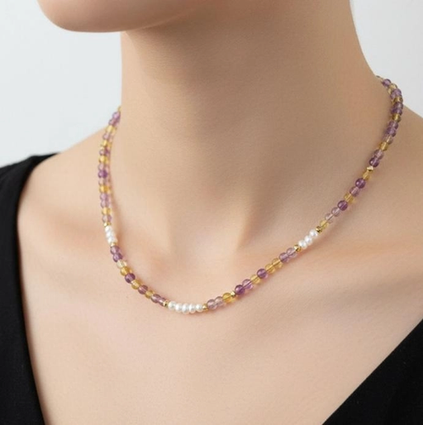
For handmade beaded products, small details matter. A change in bead diameter can alter total length. A different metal component can affect weight and balance. Colors that look right in a digital mockup may appear different when glass, acrylic, natural stone, or metallic accessories are combined.
The sample becomes a checkpoint for design intent, material matching, craftsmanship, wearability, and manufacturability. Once approved, the final version can serve as a reference for production.
What Should B2B Buyers Prepare Before Jewelry Sampling Starts?
Lock the Product Brief: Style, Materials, Size, Color, and Accessories
A clear brief saves time before the first sample is made. Buyers should provide a design draft, reference image, physical sample, or detailed description together with materials, size, color, bead diameter, accessories, order volume, and special requests.
For custom projects, GO2CJBEADS can work from AI, PSD, JPG files, or physical samples. We also review bead holes, chains, plating colors, accessories, and construction before moving forward.
Define Fixed, Preferred, and Flexible Details
Not every specification has the same importance. Separating requirements into three levels makes revisions easier.
| Requirement type | Example | Buyer action |
| Fixed | Bracelet length, logo, key color | Must match the brief |
| Preferred | Bead shade or accessory style | Keep if practical |
| Flexible | Equivalent shape or minor detail | Allow alternatives after confirmation |
This is useful when a design includes special beads or accessories that may need additional sourcing.
Set Sample Approval Criteria Before the First Prototype
Approval should not depend on a general comment such as “looks good.” Buyers should decide what will be checked before the sample arrives.
A practical list can include overall appearance, dimensions, bead sequence, color direction, surface finish, accessory position, clasp performance, weight, and comfort. Packaging can also be reviewed when it affects retail presentation.
How Does the Beaded Jewelry Sampling Process Work?
Step 1: Feasibility Review and Material Matching
The first step is to confirm whether the design can be made with the selected materials and process.
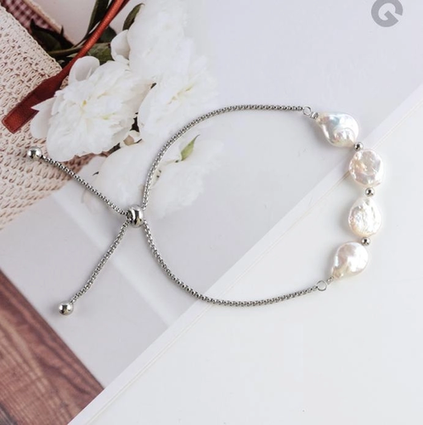
At GO2CJBEADS, we review design complexity, material availability, bead and accessory compatibility, size requirements, and special processes. If a requirement is not practical, we can discuss an alternative before producing the sample.
Step 2: First Sample Development
After the main details are confirmed, the first physical sample is produced. Its purpose is to translate the approved design direction into a real piece for evaluation.
For a beaded bracelet, this may include bead size, sequence, string construction, accessories, finished circumference, and color matching. For necklaces, earrings, Rosary, Tasbih prayer beads, Phone Chains, or Tumbler Charms, the review points change according to structure and use.
Step 3: Review Feedback and Revision Control
Feedback works best when it is consolidated into one revision record.
1. Approved items that should not change
2. Required changes with exact instructions
3. Optional improvements
4. New references or color information
5. Details that replace earlier instructions
This reduces the risk of an old comment being mistaken for the latest requirement.
In one ODM holiday accessory project for a coffee chain serving Europe and North America, we developed beaded bracelets and Tumbler Charms with exclusive color combinations and metal tags. The project moved through proposal selection, sampling, revision, final approval, and later repeat holiday orders.
Step 4: Final Sample Approval and Production Handoff
Final approval should freeze the design before bulk production begins.
Buyers should retain the approved version, final photos, material and color references, dimensions, accessory positions, and agreed changes. Any later modification should be treated as a new production change.
For GO2CJBEADS OEM and ODM jewelry projects, mass production starts from the confirmed final sample, giving production and inspection teams the same reference.
What Should Buyers Check Before Approving a Beaded Jewelry Sample?
Check Color, Bead Size, Arrangement, Finish, and Accessory Placement
Visual inspection should be systematic. Check whether bead colors match the intended direction, whether the sequence is correct, and whether decorative parts sit in the expected position.
Also inspect bead surfaces, scratches, plating appearance, knots, stringing, connecting points, and the relationship between beads and metal accessories. When several materials are combined, review the complete piece under normal light.
Check Dimensions, Comfort, Weight, Closures, and Wearability
A sample can look correct and still feel wrong in use.
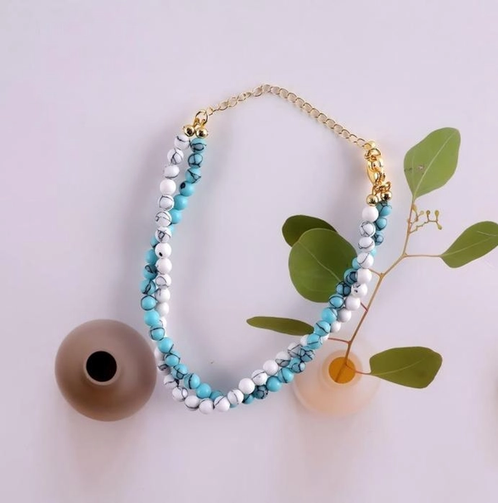
For bracelets, check circumference, flexibility, bead movement, and balance on the wrist. For necklaces, review total length, hanging position, balance, and clasp operation. Earrings should be checked for weight and movement.
Wearability matters for retail products because end customers judge both appearance and comfort.
How Can GO2CJBEADS Support Faster B2B Sampling?
When 24-Hour Rapid Sampling May Apply
We support 24-hour rapid sampling for specific projects, not every custom design.
It can apply to modified samples using beads and accessories already in stock and to basic styles such as simple bracelets, necklaces, earrings, rosaries, Tasbih prayer beads, Phone Chains, and Tumbler Charms. The typical quantity is 1–3 samples.
All materials must already be available. Completely new molds, special imported beads, and special metal accessories do not fit this route. Buyers also need to confirm complete requirements and pay the required sample fee before sampling begins.
Move from Approved Sample to Bulk Production Without Reopening Specifications
Once the final sample is approved, the goal shifts from development to consistency.
Our current MOQ for OEM or ODM customized new styles is 100 pieces per style. Sample fees are charged by style and can be deducted from the bulk order once the agreed MOQ is reached. Customized bulk production normally takes 15–25 working days, depending on quantity and process complexity.
A clear final sample helps production, inspection, and packaging teams work from the same approved reference.
FAQ
Q: How long does a beaded jewelry sample process take for custom orders?
A: Timing depends on design complexity, material availability, special accessories, and revision rounds. GO2CJBEADS can support 24-hour rapid sampling for eligible basic or modified styles using in-stock materials when the requirements and sample conditions are confirmed.
Q: What should a buyer provide before starting a jewelry sample process?
A: Provide a design draft, reference image, physical sample, or detailed description, plus material preferences, dimensions, colors, bead sizes, accessories, target quantity, packaging needs if relevant, and fixed requirements.
Q: What should buyers check during sample approval for custom beaded bracelets?
A: Check bead color, size, sequence, bracelet circumference, flexibility, finish, accessory position, comfort, connection points, and whether the sample matches the confirmed brief.
Q: Is a pre-production sample the same as the final production reference?
A: Not always. A pre-production sample is used for checking and revision. After the buyer approves the final version and confirms the specifications, that sample can become the production reference for bulk manufacturing.
Q: How can a crystal beads market trends 2026 fashion industry analysis help buyers plan a B2B jewelry sample?
A: Trend research can help define color direction, bead appearance, layering, scale, and collection style. Buyers still need to convert those ideas into measurable sample requirements such as material, bead size, color reference, dimensions, accessories, weight, and target use before production.