

Beaded Jewelry Quality Control Checklist Before Shipment
Table of Contents
Related news
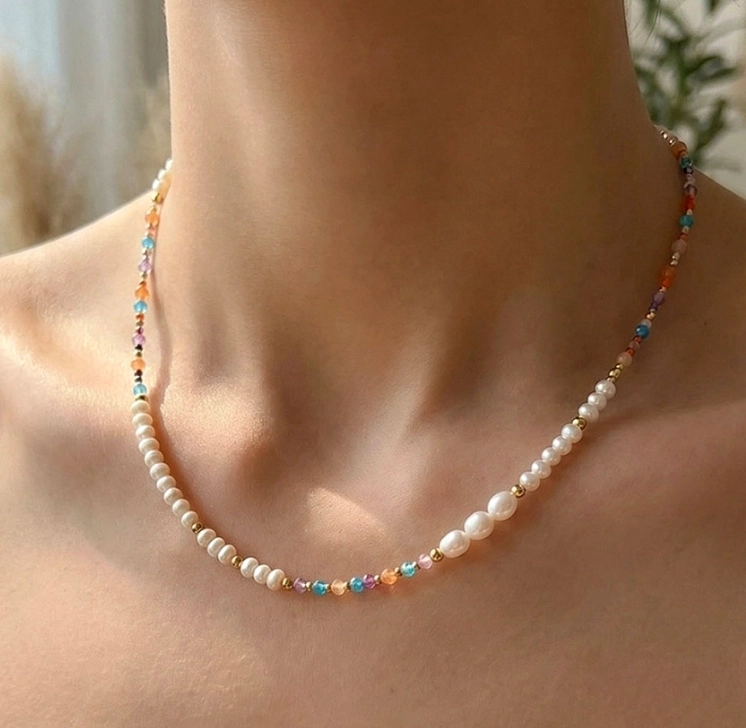


The photo of the bracelet may look perfect but when it arrives at your store it could be with knots loose, beads chipped or even wrong colors. Importing jewelry and selling jewelry can lead to delays and even returns if problems are discovered after the item has been shipped. The quality control of beaded jewelry needs to check for visual quality, for how it has been made and for accurate order fulfillment. This checklist will help the purchasing department to check finished items and to allow a clear decision on whether an item should be sent in a shipment.
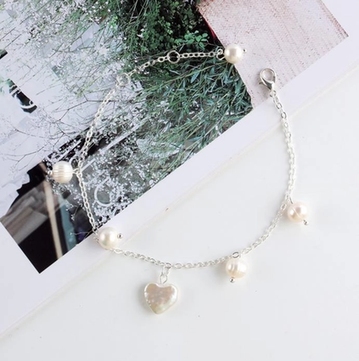
Pre-Shipment Jewelry Inspection Starts With Approved Quality Standards
Confirm the Approved Sample, Materials, Colors, and Size Tolerances
Order against the approved sample and purchase specification, not against the catalog picture. Note the material of the beads, the diameter, the color pattern, the length including any extensions, the type of clasp, the metal finish, and packaging. For custom beaded bracelets, measure against the agreed circumference and not against a supposed standard size. An item ordered as 18 cm long beaded bracelets should not be delivered as 19 cm long just because that is a stock size for the supplier.
Natural stone will often have intentional veining. A matching glass-bead set will need closer color uniformity, and you will want to agree on an acceptable variation prior to ordering. See the guide to loose beads and finished glass bead jewelry for material selection.
Define Critical, Major, and Minor Jewelry Defects
You and your supplier should go through a list of possible defects prior to your shipment’s departure. For example, something that could cut the wearer of the jewelry, such as a sharp point or tip, would be considered a critical defect. Something like a clasp that won’t shut or the wrong material for the beads would be considered a major defect. Minor defects are things like pinprick-sized marks or pinholes, depending on the supplier’s finish and how much tolerance you are willing to give.
The categories guide the decision of whether to repair, replace, or reject goods. Acceptance criteria have to be agreed upon by the buyer and supplier.
Beaded Jewelry Quality Control Checklist: Beads and Assembly
Inspect Bead Material, Shape, Color, Surface Finish, and Holes
Observe the samples under consistent lighting and compare them with the approved sample for signs of cracking, chipping, uneven coating, color change, and rough or blocked holes. Inspect glass around the drilled holes and acrylic around the molded edges. Also, be sure to inspect coated beads at the hole entrance, as rubbing against the string could expose a weakness in the coating.
Different glass beads have different appearances depending on the lighting. Make sure you are comparing to the specified finish; do not rely on one photo. Also make sure the glass bead size has been confirmed separately.
Check Stringing Tension, Knots, Clasps, and Metal Findings
Beads should be sitting as intended. Check for frayed cord, loose knots, sharp wire ends, and unwanted space between the beads. Jump rings and clasps should close as intended. For elastic beaded bracelets, test the knots and see if the cord returns to its original shape after stretching. Beads with a lot of mass can put a lot of stress on the knots and connectors, so these areas are especially important to check.
Even a neat necklace can fail should the connector open while being worn normally.
Verify Bracelets, Necklaces, Earrings, and Rosaries by Product Type
Different products create different inspection risks:
| Product | Key final checks |
| Bracelets | Circumference, bead sequence, elastic condition, comfort |
| Necklaces | Finished length, drape, clasp closure, connector alignment |
| Earrings | Matched pairs, attachment security, smooth contact edges |
| Rosaries | Correct bead arrangement, centerpiece, crucifix and connections |
A beautiful rosary does not make up for a wrong sequence of beads. Also, earrings have to be checked in pairs.
Functional Testing and Quality Acceptance Before Shipment
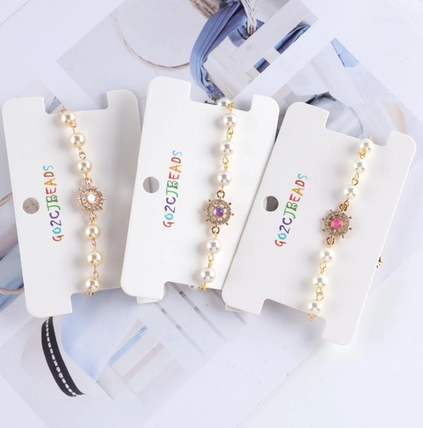
Perform Product-Specific Function Checks Using Agreed Methods
Test normal use of a piece. Test opening and closing of clasps and connecting rings. Lay necklaces flat to test twisting of necklaces. Gently test flexibility of elastic stringing. Avoid arbitrary pulling forces on test pieces. Tensile test or repeated use test must be agreed upon, including method, test piece, and acceptance criteria, prior to production. Use separate test samples representative of the saleable products. Do not return samples subjected to destructive or potentially damaging tests to saleable stock.
Record Defects, Corrective Actions, and Reinspection Results
Record SKU, quantity checked, defect type, photograph, action taken, and results of re-inspection.
Example of a hypothetical order of handmade beaded bracelets that are all of approved colors but have loose knots. They look fine but have failed the assembly test. Work with these individually, fix/replace them as necessary, and reinspect. Look for similar problems on related pieces but don’t assume the entire order is defective.
Wholesale Jewelry Packaging and Shipment Release Checklist
Verify Packaging Protection, SKU Counts, Labels, and Carton Details
Bulk beaded bracelets come in lots with many different styles and color combinations. Before we ship them in sealed boxes:
Match each SKU, colorway, and quantity to the purchase order.
Check the individual packaging for beads and metal parts to ensure they won’t rub against each other or get tangled up.
Verify the approved instructions for tags, backing cards, gift boxes, carton codes, and packing list.
A perfect necklace is still a problem for retail inventory if it’s been mis-cataloged under the wrong SKU. Try to keep metal findings from rubbing against beading material during shipping. Avoid oversized shipping bags, which can cause too much movement of items within.
Review Inspection Evidence and Approve Shipment Release
Check the production finished goods’ inspection photographs, the defects corrected, the packaging, and the packing list. Any critical or major issues must be resolved or written exceptions approved. Production completed does not mean it can be dispatched.
How GO2CJBEADS Supports Beaded Jewelry Quality Control
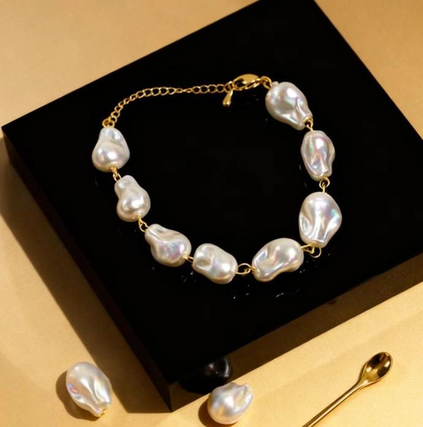
Material and Accessory Confirmation Before Bulk Production
We here at GO2CJBEADS HAND MAKE BEADED BRACELETS, NECKLACES, EARRINGS, ROSARIES, and more using glass, acrylic, and natural stone. We make custom orders from buyer-provided drawings or samples. We confirm all specifications such as material colors, dimensions, and accessories prior to production. We provide our customers with material color cards as well as samples of all accessories prior to production to give the buyer a clear means of checking for quality prior to the commencement of bulk production of custom jewelry. Our wholesale bracelets are provided in adult circumferences of 16- 19 cm, and we can adjust the size to suit the customer. We also have a full support process for custom jewelry through to sample approval prior to bulk production.
Pre-Shipment Inspection and Optional Buyer Verification
For all our products, we perform a 100% check before we ship them. This can also be done by video inspection or by a third party during production. All costs for this kind of inspection will be charged to the buyer. For our wholesale bracelets, we pack them in individual transparent OPP bags as standard. We can also supply custom hang tags, custom-made backing cards and gift boxes.
This gift set of multi-theme handmade bracelets was created from customer-supplied drawings and packaged in custom gift boxes. As with all presentation merchandise, care must be taken to inspect the packaging as closely as one would inspect the jewelry itself.
We contact you for OEM/ODM orders such as design, materials, quantities for each SKU, approved sample, and packaging details, etc.
FAQ
Q: What should a beaded jewelry quality control checklist include before shipment?
A: Check approved specs, bead condition, all parts are securely assembled, correct size, correct function, all defects recorded, correct packaging, and a decision made regarding shipping of product.
Q: How can buyers check bead color and finish consistency in wholesale jewelry orders?
A: Compare all produced items with the approved sample under equal lighting conditions. Intended natural material variations need to be clearly distinguished from defects. Take photos of any deviations.
Q: How should elastic beaded bracelets and clasped necklaces be tested before shipment?
A: Test the elastic recovery of bracelets gently and check the knots. Test the clasp operation, connector closure, and finished length of necklaces. Any strength test must be carried out according to agreed methods and limits.
Q: Is 100% jewelry inspection the same as third-party AQL sampling inspection?
A: No. Full inspection means that every item is checked within the agreed scope of inspection. AQL inspection means that items are checked from a sample, in accordance with an agreed sampling plan. Neither type of inspection alone can prove conformity to requirements.
Q: How should buyers use crystal beads market trends 2026 fashion industry analysis?
A: Trend research can be useful for the buyer when selecting colors and finishes for future collections. It should be used to modify the approved product specification and not replace the inspection criteria. More about beaded jewelry trends 2026 here.