

From Trend Signal to Sellable Beaded Jewelry Assortment: A Buyer Decision Framework
Table of Contents
Related news
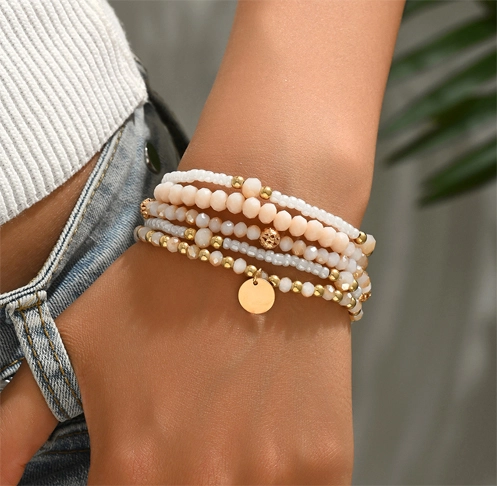
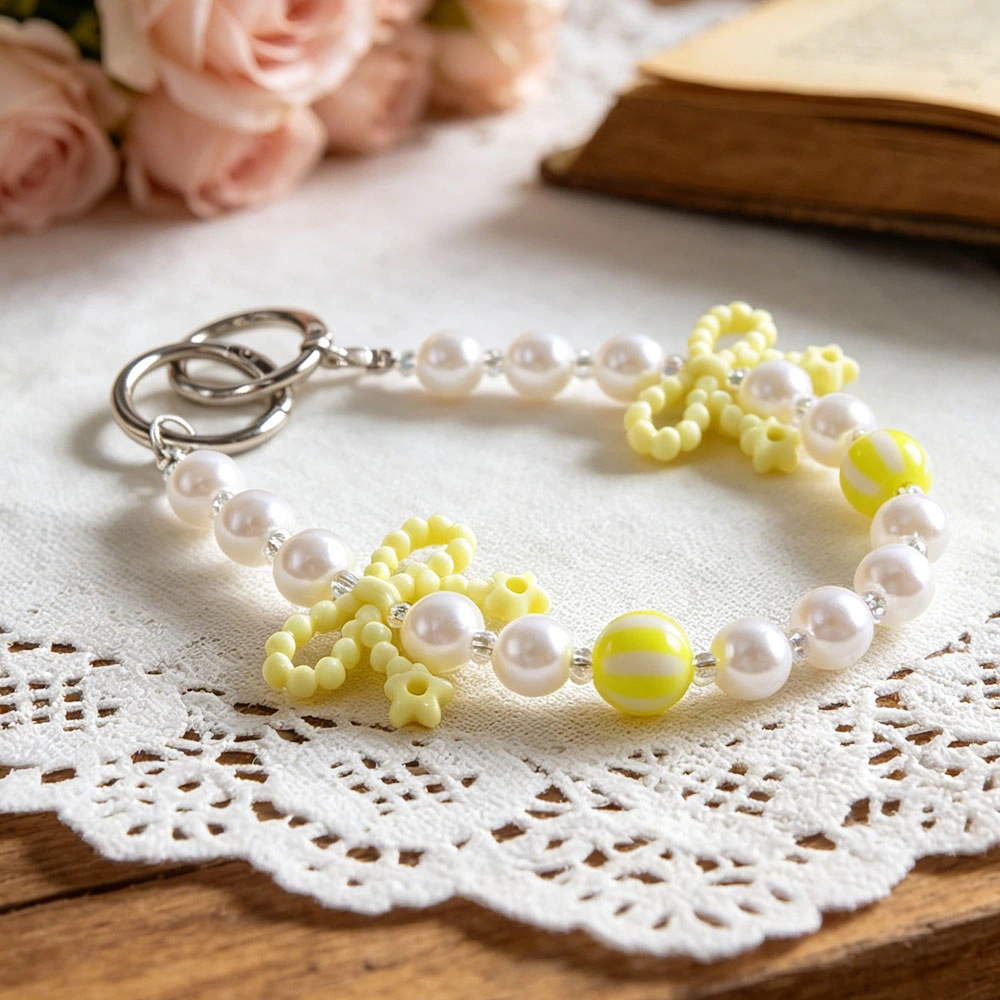

In jewelry sourcing, a trend idea is only the starting point. A popular color, bead finish, layered style, or material combination becomes valuable when it can be translated into clear products, defined SKU roles, and a workable assortment plan. For buyers, the key challenge is not simply finding trends, but deciding which directions fit the target customer, how products should work together, and what needs to be verified before moving from concept to samples and production.
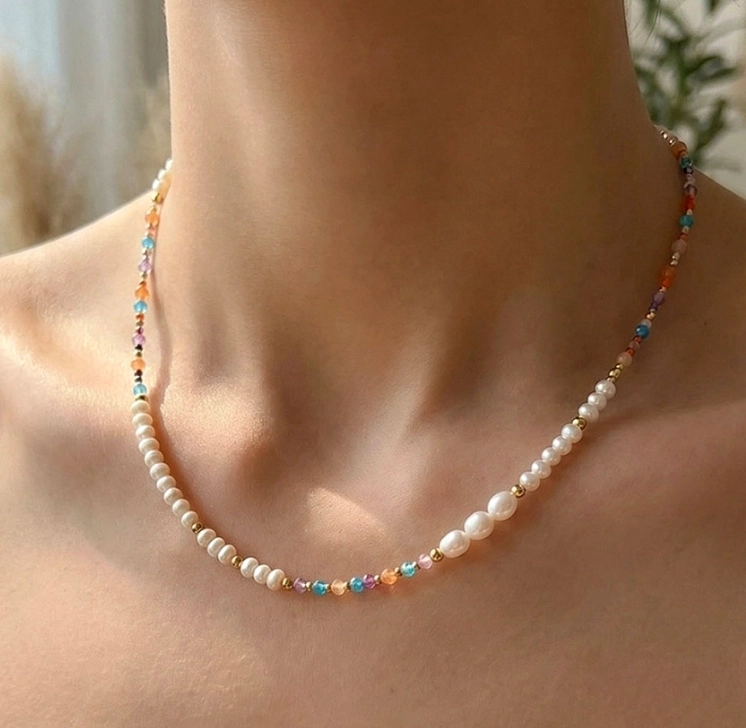
What Makes a Trend Signal Relevant to a Jewelry Collection?
Separate Visual Attention from Commercial Fit
A useful trend signal is specific enough to evaluate. It may concern color relationships, surface character, bead scale, pattern rhythm, a focal detail, or how products are worn together. Labels such as “bold,” “minimal,” or “trendy” do not tell a sourcing team what to build.
Commercial fit adds context: target customer, sales channel, intended use, collection position, and order structure. A strong idea may still be unsuitable if it cannot become clear specifications or duplicates planned products.
Set an Entry Gate Before Developing SKUs
Before developing SKUs, buyers should confirm whether a trend direction has a clear product purpose. Evaluate customer fit, product potential, sampling feasibility, and collection value. If these points cannot be defined, keep the idea as a research signal rather than an approved direction. This prevents unclear concepts from moving into development.
How Should Buyers Turn a Beaded Jewelry Trend Direction into SKU Architecture?
Assign Hero, Core, Supporting, and Entry Roles
SKU architecture explains why each product belongs in the assortment. A hero SKU carries the clearest expression of the direction. Core SKUs make the collection easy to understand and coordinate. Supporting SKUs introduce controlled variation, while entry SKUs use a simpler expression for buyers who want a quieter option.
These labels do not require a fixed product count. The appropriate count depends on channel, category space, budget, assortment breadth, and purchasing conditions. Every SKU should have a distinct job.
Build Relationships Without Creating Duplicates
Products can share one visual bridge, such as a recurring color, material family, finish, bead shape, pattern interval, or accessory detail. They should also have deliberate differences in scale, contrast, form, or application. The shared element creates recognition; the differences give customers a reason to compare more than one item.
One direction might use a high-contrast hero necklace, a calmer bracelet, and earrings that repeat one accent. This is an assortment relationship, not three copies. Buyers can review confirmed glass bead jewelry applications when considering one material across product forms.
Which Product Attributes Should Be Decided Before Sampling?
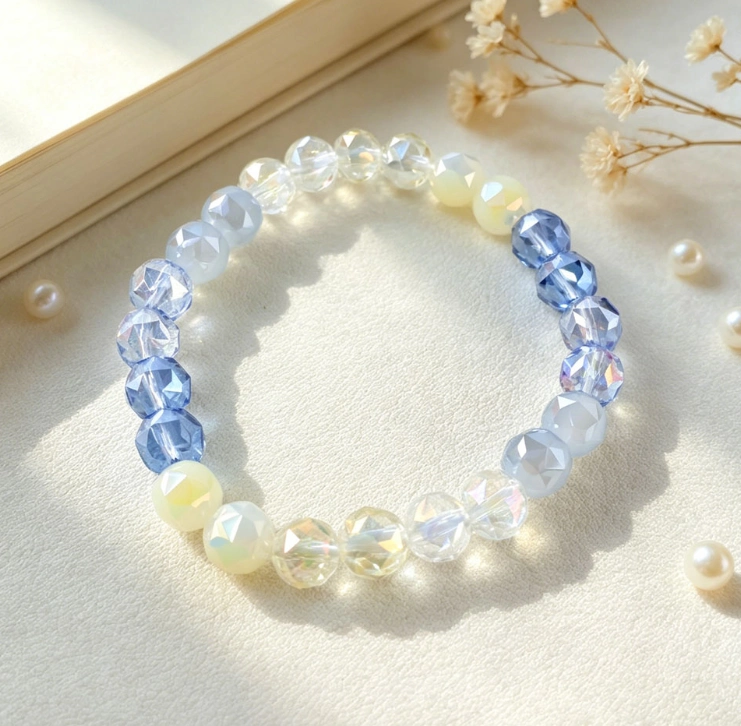
Confirm Material, Color, Pattern, and Scale
Convert the direction into actionable fields. Specify material, color hierarchy, bead arrangement, focal element, size requirement, accessory details, and acceptable adjustments. Identify any approved color or dimension reference clearly.
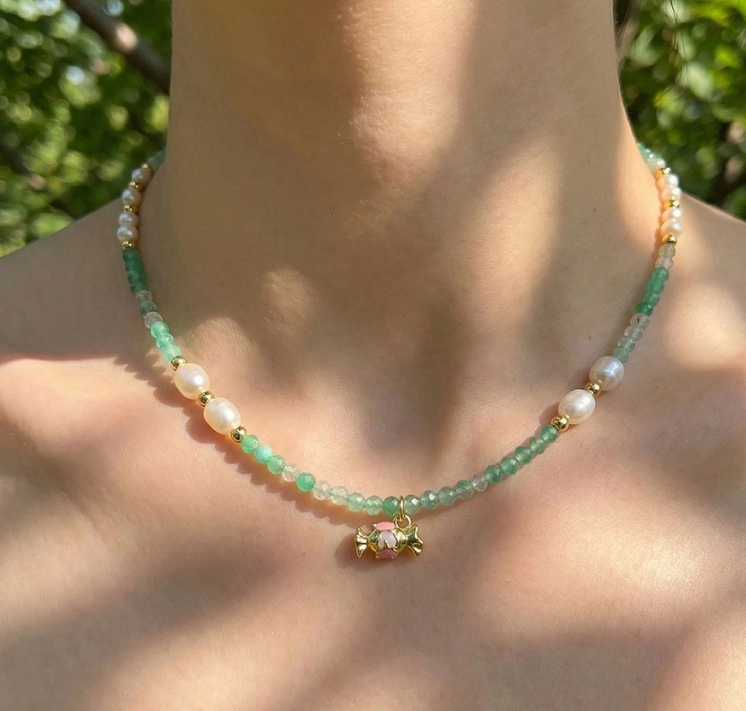
Material names alone are not a design decision. Glass beads, acrylic beads, natural stone, freshwater pearls, and glass pearls can create different visual and wearing effects. Evaluate material, scale, repetition, and construction together rather than ranking one option universally.
Match the Direction to the Product Application
A direction that works on a necklace may not transfer unchanged to earrings, bracelets, or rosaries. The visible area, movement, product proportions, pattern length, and wearing context differ. Adapt the idea to each application instead of forcing one arrangement across every SKU.
The following framework keeps the decision sequence visible:
| Decision stage | Buyer question | Evidence before approval |
| Trend relevance | Does the signal fit the customer, channel, and collection position? | Written target and product role |
| SKU architecture | What job does each item perform? | Hero, core, supporting, or entry role |
| Visual relationship | What repeats, and what creates separation? | Color, material, finish, scale, or detail map |
| Product specification | Can the direction be sampled without guesswork? | Material, colors, dimensions, arrangement, and accessories |
| Sample review | Does each SKU work alone and with the group? | Physical samples and collection-level review |
| Sourcing approval | Can the range fit the project conditions? | Confirmed quantity, MOQ, packaging, schedule, and revisions |
How Can Buyers Test Whether an Assortment Is Sellable?
Review Each SKU Alone and as Part of the Range
First, check whether each SKU is understandable on its own. Then place the samples together in the expected display or merchandising sequence. Look for a clear collection identity, visible differences between product roles, and a sensible progression from quieter to stronger designs.
Remove or revise products that compete without adding a new choice. A SKU may look attractive but weaken the range if it hides the hero, repeats a role, or breaks the color and material logic.
Test Proportion, Visual Weight, and Wearing Experience
Compare samples at normal viewing distance and in the intended wearing position. Check pattern legibility, focal emphasis, and whether related products feel coordinated rather than identical. For layered or stacked concepts, review the item alone, with one companion, and in the group.
At GO2CJBEADS, we develop new styles and custom samples through our professional design team, subject to confirmed project requirements.. Buyers should still provide the target market, style intention, material preference, colors, dimensions, usage scenario, and relationship between proposed SKUs. A precise brief gives the sample review a clear acceptance basis.
What Sourcing Checks Should Come Before Final Approval?
Align the Range with Project Conditions
Before approval, confirm materials, samples, quantity by style, packaging, customization, revision status, and expected order structure. Our customized new OEM/ODM styles generally use an MOQ of 100 pieces per style, while in-stock styles generally use 50-100 pieces per style. Confirm the applicable requirement for the project rather than treating either figure as universal.
Customized bulk orders generally take 15-25 working days depending on quantity and process complexity. Final timing should be confirmed after the design, material, quantity, packaging, and sample status are clear.
Approve, Revise, or Reject the Assortment
Approve the range when the trend signal has a defined customer, every SKU has a role, the products form a coherent system, samples meet the brief, and sourcing conditions are workable. Revise when the direction is sound but roles, specifications, or samples remain unclear. Reject it when the concept depends on unsupported claims, repeats the existing assortment, or cannot become a confirmable product brief.
GO2CJBEADS offers ODM support that includes original design proposals, size and color adjustments, engraved logos, accessory replacement, customized packaging, new styles, and themed collection development. Buyers can contact GO2CJBEADS with a defined assortment brief to discuss relevant designs, samples, and sourcing requirements.
FAQ
Q: What is beaded jewelry assortment planning?
A: Beaded jewelry assortment planning is the process of turning a collection direction into defined product roles, specifications, relationships, samples, and sourcing decisions. It identifies why each SKU belongs, what connects the products visually, how they remain distinct, and what the buyer must verify before approving the range.
Q: How can beaded jewelry trends 2026 become sellable products?
A: Start by identifying the customer, channel, and product role behind a trend signal. Then convert the direction into materials, colors, dimensions, SKU relationships, and sample checks. Buyers who need broader trend context can review beaded jewelry trends 2026 before applying this decision framework.
Q: How many SKUs should be included in beaded jewelry assortment planning?
A: There is no universal SKU count. The range should reflect category space, channel, budget, customer needs, purchasing conditions, and the number of genuinely different product roles. Add an item only when it contributes a clear hero, core, supporting, or entry function rather than repeating an existing choice.
Q: Can GO2CJBEADS support beaded jewelry assortment planning?
A: GO2CJBEADS develops new styles and custom samples within confirmed project requirements and supports defined ODM services.