

How to Choose Glass Bead Sizes for Bracelets and Necklaces
Table of Contents
Related news
-
Beaded Necklace Trends 2026: Chunky Beads, Layering, Color & Pearls

-
Glass Pearls vs Freshwater Pearls vs Plastic Pearls: Cost, Durability & Best Uses
-
Jewelry MOQ Explained: Samples, Mixed Styles, Packaging & Production Costs
-
Fall 2026 Beaded Jewelry Trends: Color, Crystal & Layering for Retail Collections


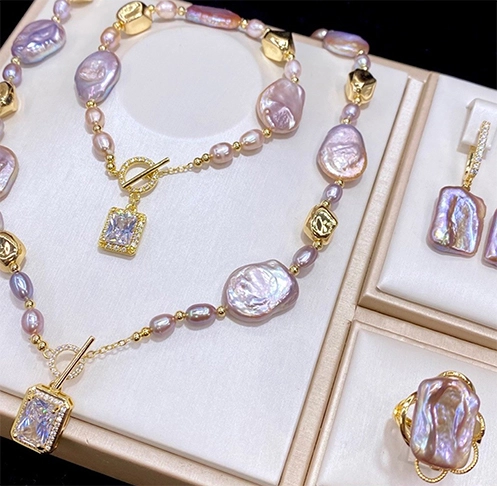
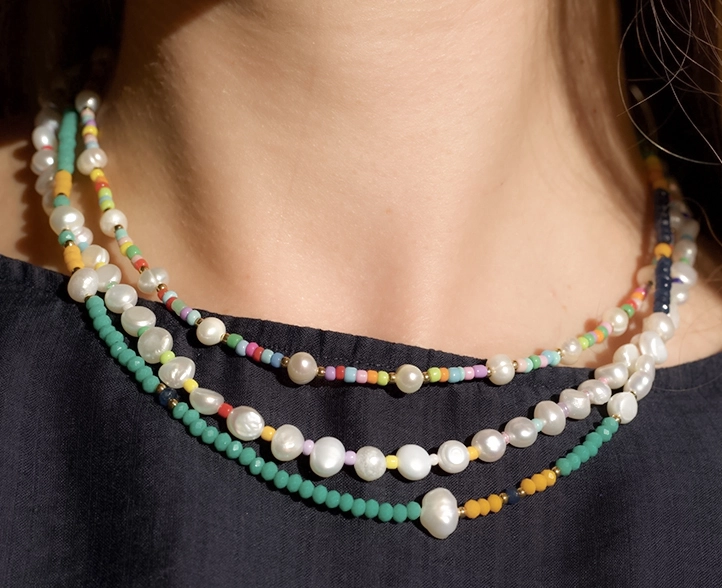
Choosing glass bead sizes is less about finding one correct measurement than matching scale to the jewelry’s purpose. A bracelet needs a comfortable rhythm around the wrist, while a necklace must balance the neckline, pendant, clasp, and styling. Designers, retailers, and B2B buyers should judge diameter together with shape, spacing, color, and the finished layout. This glass bead size guide focuses on practical decisions and sample checks rather than unsupported size charts. The right size supports the finished design.
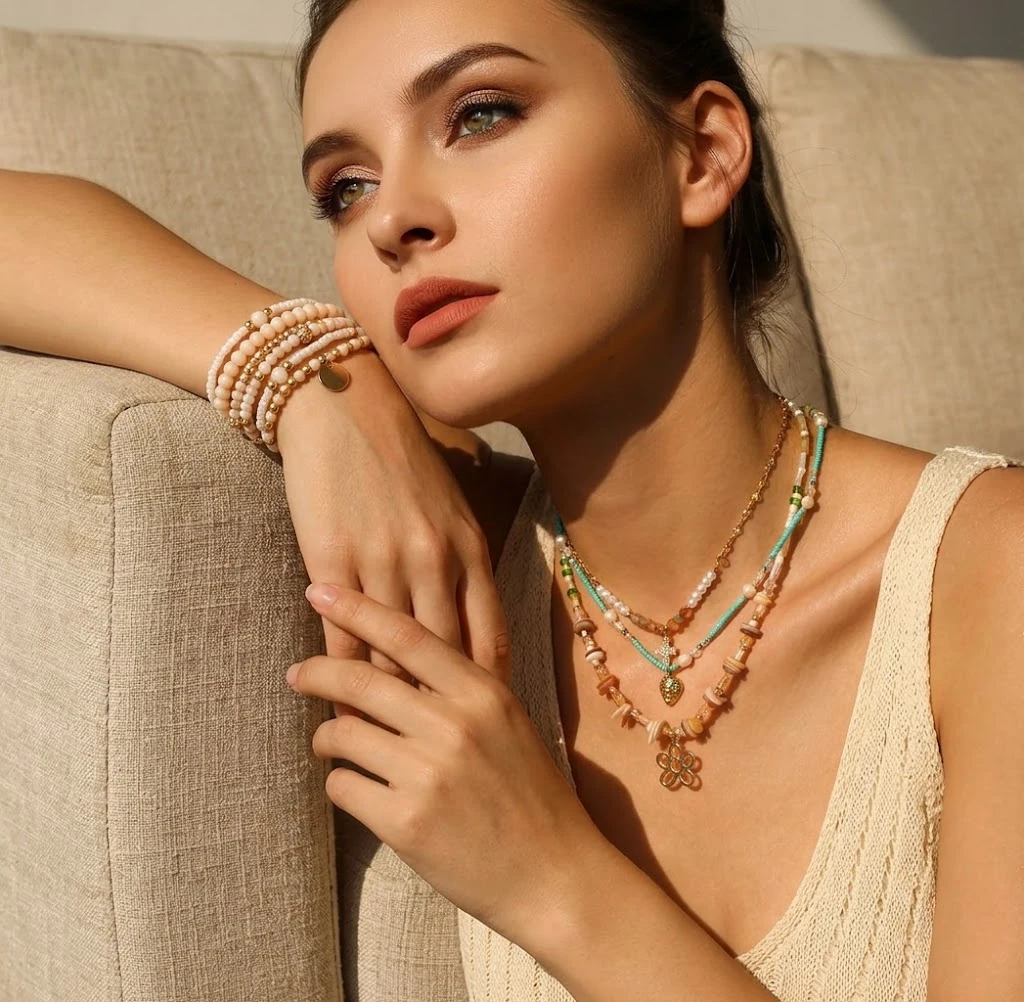
Start with the Finished Jewelry Proportion
Before selecting a bead, define the visual role of the finished piece. Glass bead sizes affect pattern readability, visible stringing material, and whether the jewelry feels light, balanced, or statement-led.
Match Bead Scale to the Design Language
Smaller beads usually leave more room for repeated color changes, layered sequences, and detailed motifs. Larger beads make each unit easier to see and give a simple color story more presence, but reduce the number of visual steps available in the same length.
The bead should relate to nearby components. A small spacer or pendant can disappear beside an oversized bead, while a large focal component may overwhelm very small beads. Compare the components before confirming the specification.
Consider Visual Weight, Not Diameter Alone
Two beads with a similar diameter can also create different impressions. A dark opaque surface often reads more strongly than a pale translucent one. A faceted or highly reflective finish may attract attention from farther away, while a softly colored round bead can appear quieter. Shape, surface treatment, color contrast, and the number of beads in the visible section all influence visual weight.
Record the size decision with its design context. “Use the larger option” is too vague for sampling. Specify shape, finish, spacing, and placement, then assess the result on the layout.
Choose Glass Beads for Bracelets by Wear and Rhythm
Bracelets move constantly, so bead selection has to work at the wrist as well as on a flat design board. Scale affects stacking, surface coverage, and pattern visibility.
Plan for Wrist Coverage and Movement
Larger units make the sequence easy to identify and bolder, while smaller units allow more color changes and tighter pattern development.
Check the design laid flat, wrapped around a wrist form, and viewed from the side. An arrangement that looks evenly spaced when flat may bunch at the curve. Check the clasp or other closure as well.
Use Stacking and Layering as a Size Test
Many customers wear bracelets in groups. Place the proposed bracelet beside a quieter and a stronger statement design to see if it can create an even more impressive combination.
Choose Glass Beads for Necklaces by Length and Focal Area
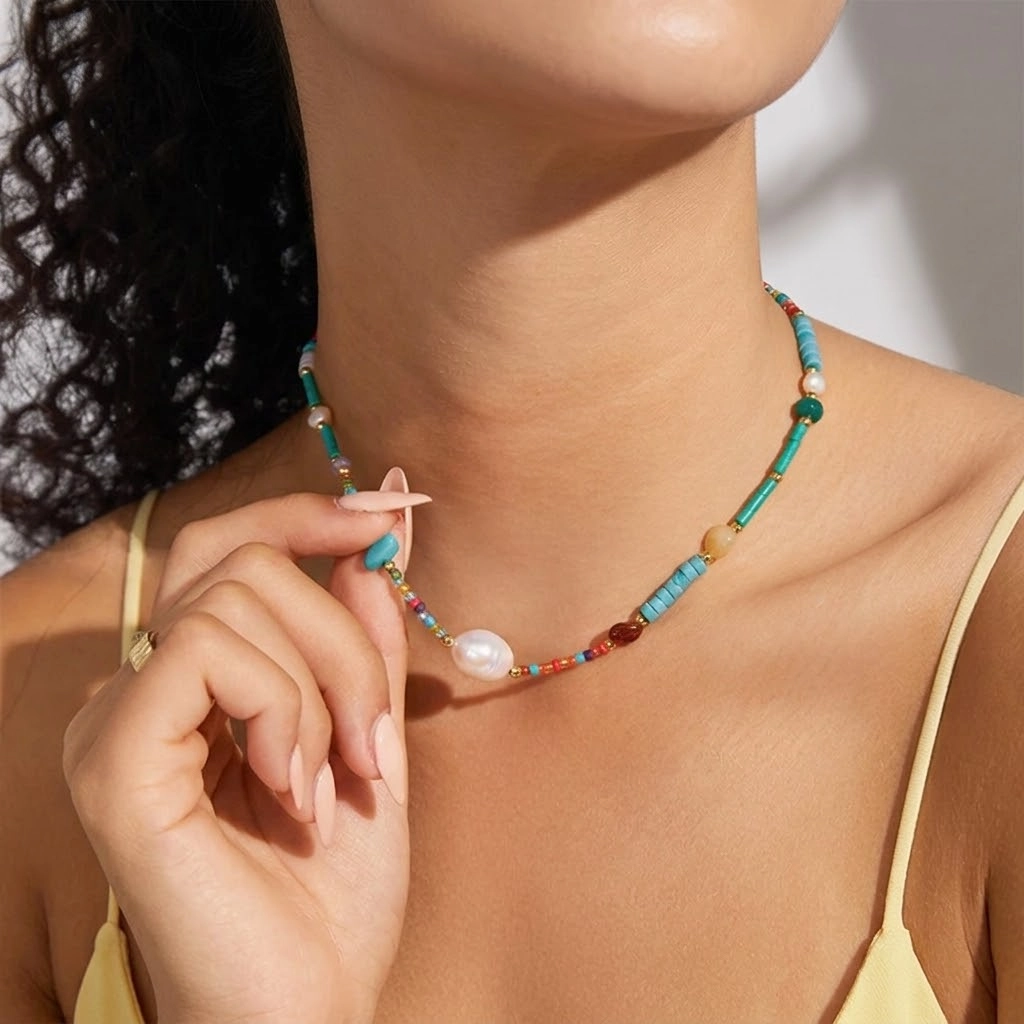
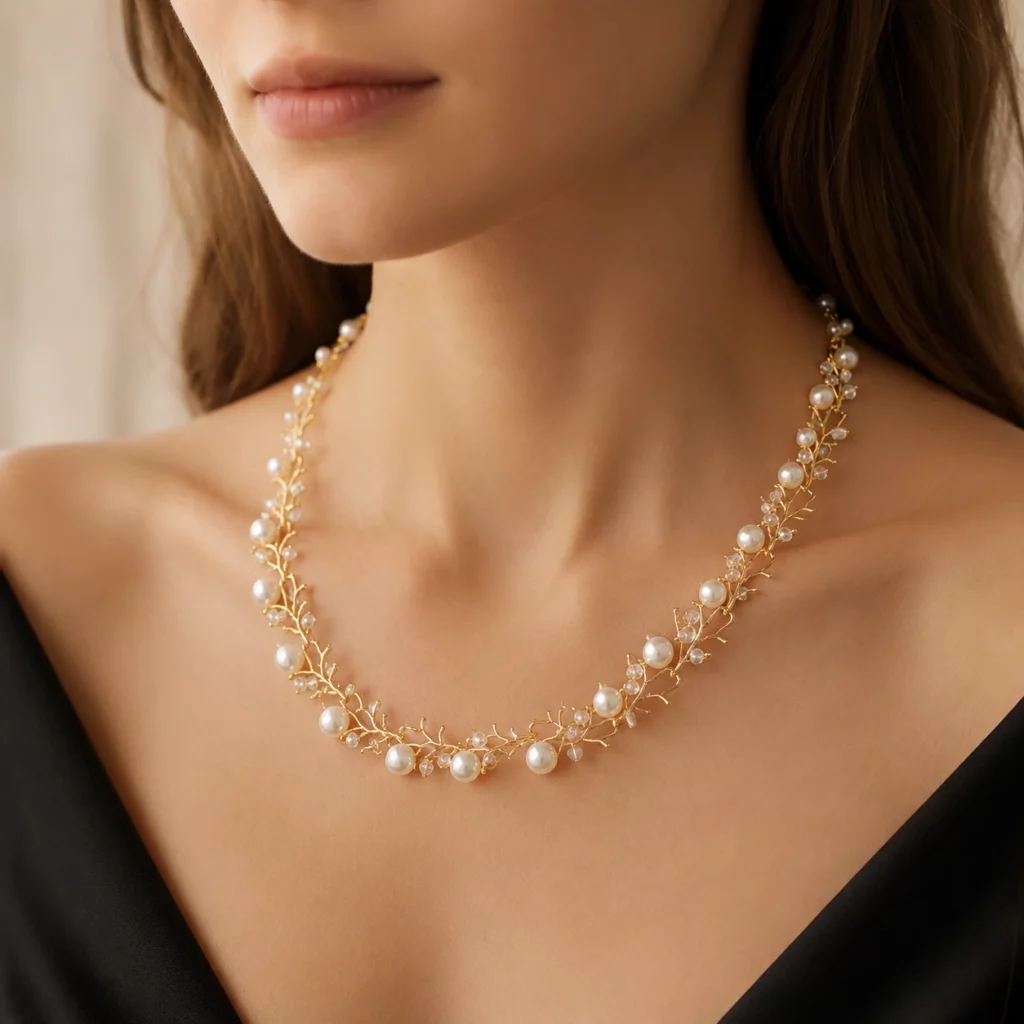
How a bead is perceived depends heavily on the necklace’s length, neckline position, pendant placement, and viewing distance. A close-up layering necklace requires a different sizing approach than a bold statement strand.
Balance Uniformity and Focal Points
Determine if your design is uniform or features a focal area. Uniform necklaces need a stable rhythm, whereas focal designs concentrate visual weight near the center or pendant. To ensure proper proportions, evaluate your sample on a garment or neckline guide to confirm the sequence supports the focal point.
Select Sizes Based on Viewing Distance
Small bead arrangements can show subtle color changes at close range but read as a single band from farther away. Larger units make pattern direction and color contrast easier to recognize, though they may make a delicate design feel heavier. The correct choice depends on whether the product is meant to communicate fine workmanship, bold color, a calm repetitive rhythm, or a prominent focal shape.
Confirm the Size Before You Approve a Sample
Ask for a Representative Sample
Request a sample matching the intended shape, finish, color, hole orientation, and stringing method. If the design combines more than one bead type, ask to see them together. A loose bead may look suitable alone but may not necessarily yield a good combination with a focal bead, spacer, clasp, or pendant.
Record the approved sample with photos and a description of bead position, pattern order, and spacing. This gives inspection teams a reference.
Check Consistency Across the Batch
Inspect several beads rather than measuring one. Look for noticeable variation in diameter, roundness, hole position, surface appearance, and color response.
Define what must remain consistent and what can vary. A minimalist bracelet may prioritize uniform size, while a mixed-color necklace may emphasize matching color groups and sequence. Inspection should follow the customer-facing design promise.
Partner with GO2CJBEADS for Custom Sourcing
GO2CJBEADS is your ideal manufacturing partner for handmade beaded jewelry. We specialize in high-quality products and custom OEM solutions tailored to your brand’s unique needs.
Partnering with us offers distinct advantages:
*Industry Expertise:Over ten years of practical experience in beaded accessories and professional foreign trade.
*Rapid Customization:A dedicated design team delivering efficient original designs and one-day sample production.
*Flexible Ordering:Low minimum order quantities (starting at 100 pieces for regular styles) and free samples for quality assurance.
*Reliable Quality:A mature supply chain ensuring strict 100% pre-shipment inspection and end-to-end service support.
Contact GO2CJBEADS today to experience seamless, targeted sourcing support.
Buyer Checklist for Glass Bead Sizes
Use this sequence before approving a purchase or production sample:
1.Define whether the piece should look delicate, balanced, layered, or statement-led, then record the intended glass bead sizes.
2.Choose the bead scale in relation to the bracelet or necklace length.
3.Review shape, finish, color contrast, and focal components alongside the size.
4.Test the bracelet on a curved wrist form and the necklace at its intended neckline position.
5.Check pattern clarity from the normal customer viewing distance.
6.Request a representative sample using the intended stringing method.
7.Inspect multiple beads and document the approved reference.
FAQ
Q: How do I use a glass bead size guide for a bracelet?
A: Start with the bracelet’s intended visual weight, pattern density, and stacking role. Smaller units can support more detailed repetition, while larger units make the sequence more prominent. Test the arrangement on a curved wrist form and beside other bracelets. Confirm the result using a representative sample rather than choosing based on diameter alone.
Q: What are the main styling and pairing beaded jewelry trends 2026?
A: The 2026 market is moving toward bold statement pieces and creative stacking. A highly recommended styling formula involves mixing irregular baroque pearls with tiny, colorful seed beads to create a perfect balance between formal and casual looks. For chunky statement necklaces, designers suggest combining supersized components (10mm to 16mm) with non-round shapes to build organic visual texture and avoid a manufactured appearance. Additionally, incorporating metallic spacer beads into these complex, multi-material stacks is an excellent way to provide visual resting points and add rhythm to your overall design.
Q: What glass bead size guide should I use for necklaces?
A: There is no universal size for necklaces. The choice depends on necklace length, neckline position, focal components, and the desired balance between pattern detail and visual presence. Lay out the proposed strand with its pendant or accents, then review it on the intended neckline before approving the sample.
Q: How can I check glass bead sizes and glass bead diameter for jewelry orders?
A: Ask for a representative sample that matches the final shape, finish, color, hole orientation, and stringing method. Check several beads for noticeable variation and compare them with the closure, spacers, or pendant. Record the approved sample with photos and a written description so size and appearance are evaluated together.
Q: What should buyers confirm when ordering glass bead sizes and glass bead diameter for jewelry?
A: Buyers should confirm application, shape, scale, finish, color direction, hole and stringing fit, sample consistency, and acceptable variation. Review the sample in the finished bracelet or necklace layout so designers and suppliers share one clear reference before ordering.