
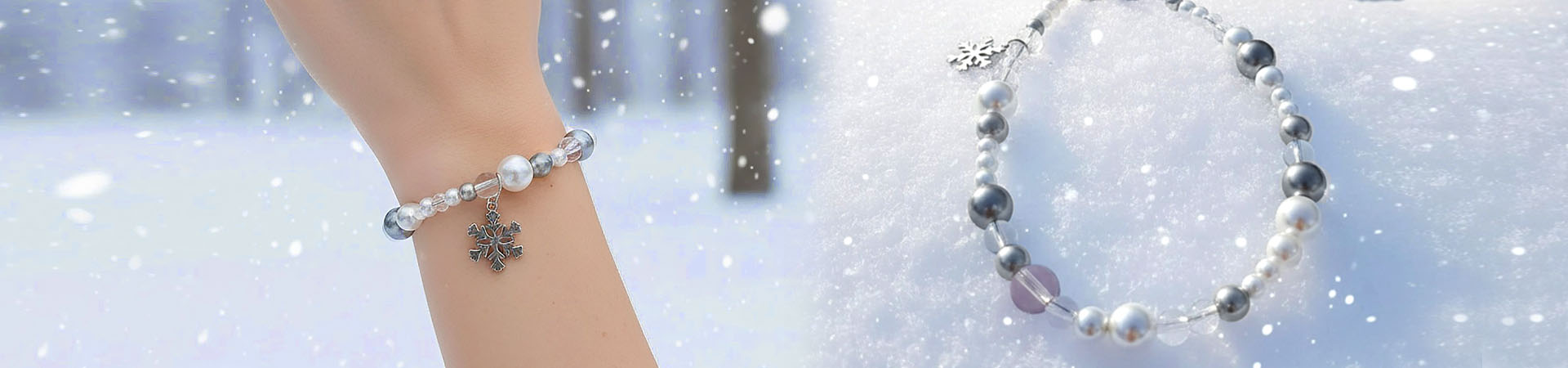
Glass Beads vs Crystal Beads vs Acrylic Beads: Which Is Best for Jewelry
Table of Contents
Related news

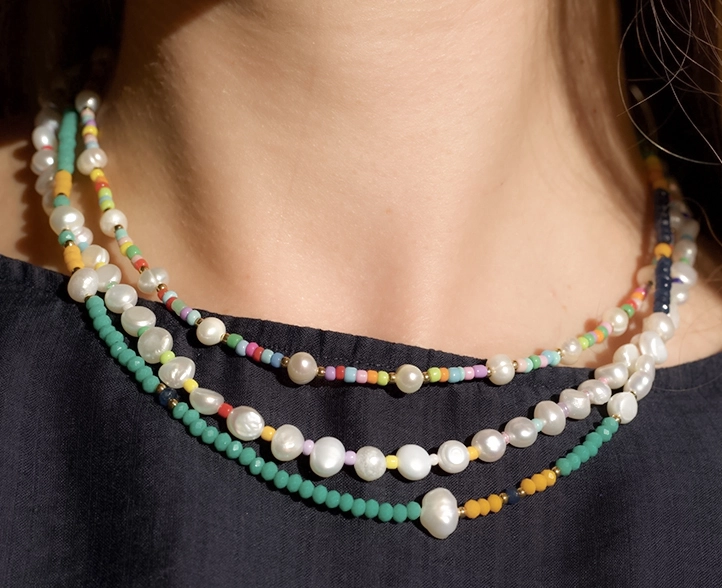
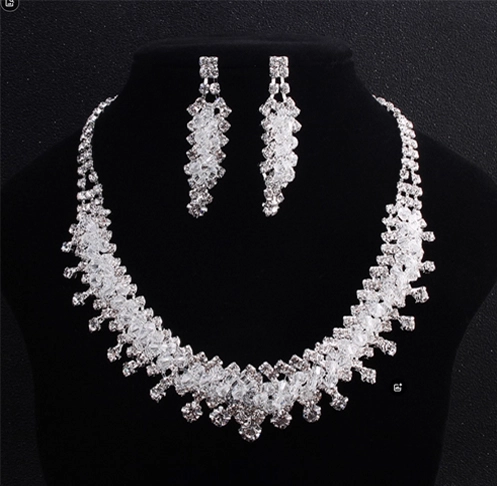
Choosing between glass beads, crystal beads, and acrylic beads affects more than the look of a sample. The material changes how a piece catches light, how much visual weight it carries, how comfortable it feels, and how consistently a collection can be sourced. There is no single winner in the glass beads vs crystal beads vs acrylic beads decision. The right option depends on the design goal, target customer, budget, wearing expectations, and the level of batch control required.
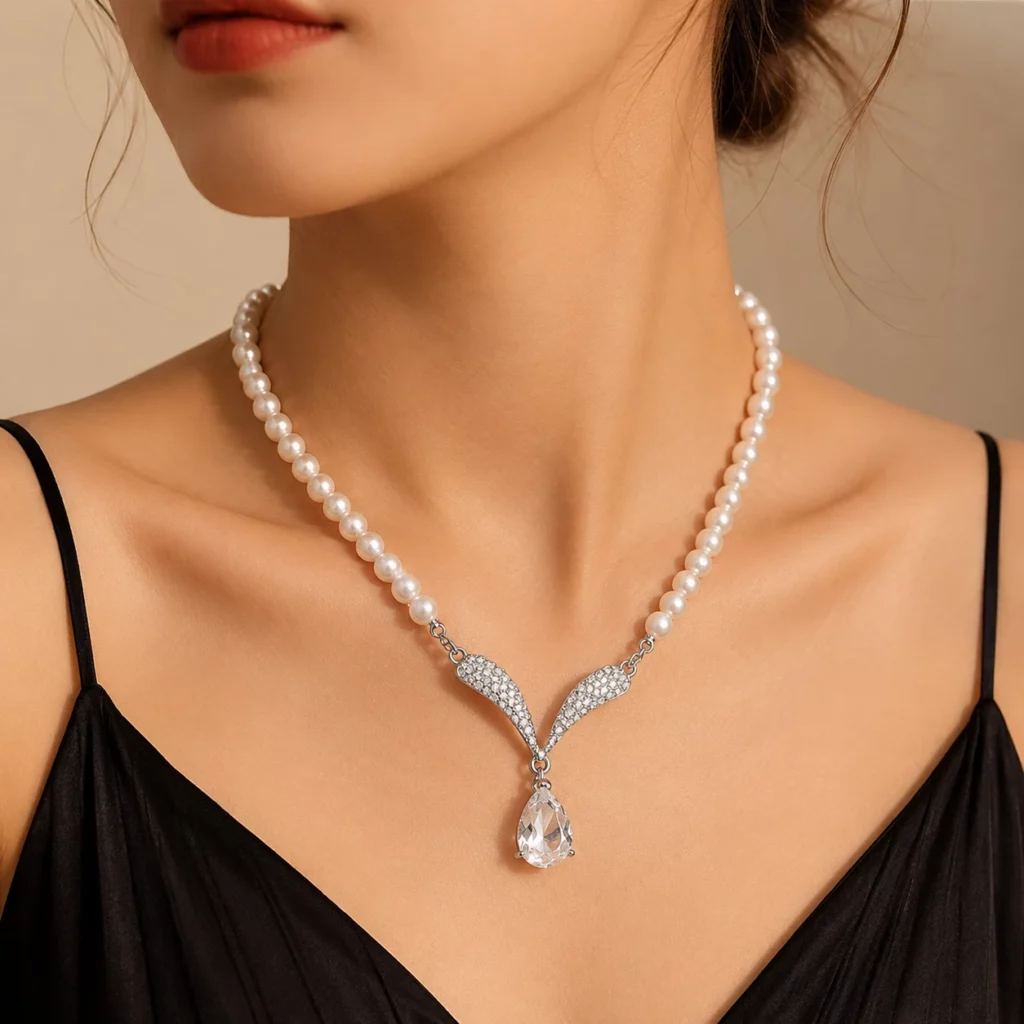
What Is the Actual Difference Between Glass, Crystal, and Acrylic Beads?
These names describe different comparison categories, but they are not complete specifications. Glass beads may use varied shapes, colors, finishes, and surface treatments. Crystal beads are commonly selected for a particular cut, sparkle, or light effect. Acrylic beads are often considered when low weight, bold color, or a playful effect matters.
For a buyer, the useful question is not simply “Which material is better?” It is “Which material produces the required result, and can the supplier reproduce it?” A direct sample comparison is more reliable than a label alone.
Glass Beads: Controlled Color with a Solid Visual Presence
Glass can give jewelry a clear, substantial appearance. Its finish and shape may support transparent color, an opaque surface, a pearl-like effect, or a reflective look. This range suits designs where color and surface character matter more than sparkle alone.
In a necklace or bracelet, regular surfaces also affect design rhythm. Repeated glass elements can look polished when the collection calls for a defined, material-led appearance.
Crystal Beads: Cut and Sparkle as the Main Design Signal
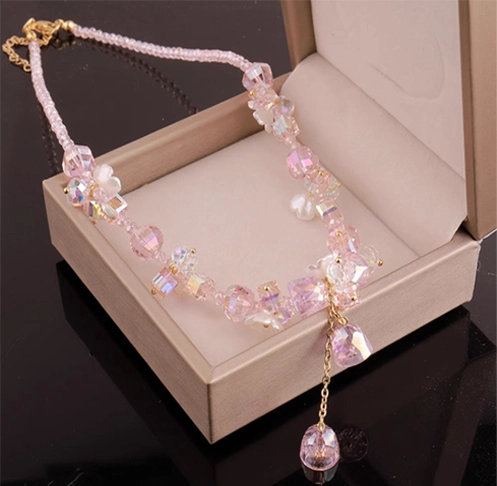
The style of crystal beads usually depends on their cut and the way their surfaces interact with light. Facets can create flashes and movement, but the effect depends on cut, clarity, coating, and surrounding components. Crystal is relevant when the design needs a pronounced light-catching detail.
This can suit occasion jewelry or accent sections, but may conflict with a quiet, matte, organic, or strongly color-driven collection. Check samples under the lighting in which customers will see the product.
Acrylic Beads: Lightweight Color and Expressive Styling
Acrylic beads can be considered when low weight, strong color, or an intentionally playful appearance is important. They may suit large shapes and statement arrangements where easy wear is a priority.
Assess the design at actual size. A single sample can look different when repeated across a strand or combined with metal findings.
How Do Material, Weight, and Design Flexibility Work Together?
Weight and Wearing Experience
Wearing experience depends on weight, bead size, shape, surface feel, and finished construction. Material alone does not predict comfort.
Glass beads generally give a more noticeable solid feel. A long strand or dense arrangement should be checked for overall weight. Rounded edges, smooth drilling, and spacing also matter.
Crystal beads may add noticeable weight when many faceted elements are used. They can work well as accents, but test the full arrangement rather than one bead.
Acrylic beads are often considered when large shapes must remain light. Check surface feel, edge quality, and how the beads sit on the cord or chain.
Design Flexibility
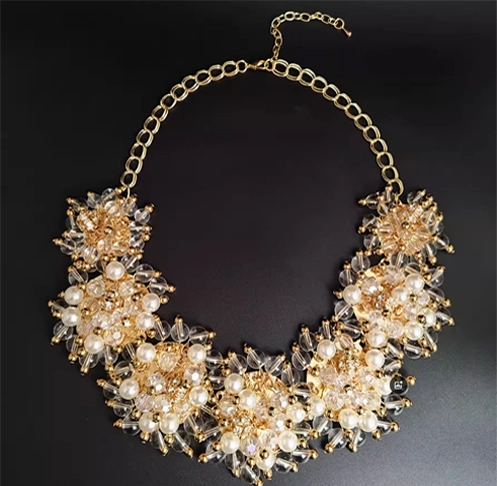
Glass beads for jewelry making suit designs needing coordinated color, a defined surface, and both everyday and dressier styling. Glass pearl jewelry can create a pearl-inspired effect within a glass bead direction. Designers can combine shapes and finishes to control proportion and focal points.
Crystal is useful when the brief prioritizes facets, sparkle, and accent contrast. Placing it at intervals can control visual intensity and weight.
Acrylic is useful when the brief prioritizes oversized forms, bright color blocking, or a light statement piece. In all three cases, review a physical sample with the findings, cord, and packaging.
How Should Buyers Compare Cost and Sourcing Risk?
Buyers assessing cost and sourcing risk should look beyond simple material price rankings. The true cost of glass, crystal, or acrylic beads depends heavily on manufacturing specifics, not just the material label. To accurately evaluate costs and mitigate risks, buyers must focus on the following factors:
*Production Variables:Calculate costs by factoring in the bead’s shape, finish, cut, drilling, packaging, and total order quantity.
*Quality Consistency:Effective risk management relies on strict visual references. Ensure that production batches and repeat orders strictly match the approved sample’s dimensions, color, hole position, and finish. Establishing a single, approved standard is far more useful than relying on generalized price assumptions.
*Supplier Capability:Verify a supplier’s actual expertise rather than assuming broad material capabilities based on general industry knowledge. Align the supplier’s proven product range directly with your specific design brief.
Which Material Fits Each Jewelry Application?
Glass beads can suit bracelets, necklaces, coordinated sets, and pearl-inspired styles when color, surface effect, and solid bead presence are part of the brief. Crystal can suit detail-focused or occasion designs where cut and sparkle define the product. Acrylic can suit lightweight statement pieces, colorful collections, and large graphic forms. Both crystal and acrylic are excellent materials for creating mobile phone charms.
How Do You Decide the Best Beads for Jewelry?
Use the following checklist before approving a material or placing a sourcing inquiry:
*Define whether the design needs color, pearl-like softness, sparkle, transparency, or an oversized graphic effect.
*Evaluate the complete bracelet or necklace, including findings and stringing materials, rather than one loose bead.
*Check the wearing experience at the intended length and bead density.
*Compare samples under more than one lighting condition.
*Record the approved bead shape, finish, color reference, drilling, and visual tolerances.
*Ask how repeat orders will be compared with the approved sample.
*Calculate the cost of the finished design, including components and packaging, instead of comparing raw material names.
*Confirm that the supplier actually offers the material and service being requested.
GO2CJBEADS brings over a decade of industry expertise, a mature supply chain, and strict quality control to your projects. With a dedicated professional design team, we offer flexible OEM and ODM services, 24-hour rapid sampling, and low minimum order quantities to perfectly meet your customized beaded jewelry needs. Share the intended style, application, and sample expectations when you contact GO2CJBEADS so the discussion stays tied to the actual project.
FAQ
Q: In glass vs crystal beads, is either material always better for jewelry?
A: Neither is universally better. Glass is often considered when a design needs coordinated color and a solid visual presence, while crystal is considered when sparkle are central. Compare the finished sample with the target customer, wearing context, and collection style.
Q: What is the difference between glass, crystal, and acrylic beads?
A: They are different bead material categories with different typical design effects. Glass is selected for its range of color and surface presentation, crystal for light-catching cuts, and acrylic for lightweight or expressive forms. The exact result depends on construction and finish.
Q: In acrylic vs glass beads, which material suits lightweight jewelry?
A: Acrylic is commonly considered when low weight matters, but finished weight also depends on bead size, shape, quantity, and other components. Test the complete bracelet or necklace before choosing a material for a wearable collection.
Q: How do I compare glass bead durability before buying?
A: Request representative samples and define the handling and appearance standards that matter to the design. Check the surface, edges, drilling, finish, and consistency after normal sample handling. Do not rely on a general material claim or an unsupported test number.
Q: What are the best beads for jewelry making?
A: To find the best beads, look at the design objective, expected wear, the price you want to pay, and your procurement goals. For a glass-focused product line, start with verified glass bead jewelry samples and evaluate the jewelry in terms of proportion, finish, consistency, etc., to determine if it is suitable for your intended use.