
Glass Pearls vs Freshwater Pearls vs Plastic Pearls: Cost, Durability & Best Uses
Table of Contents
Related news
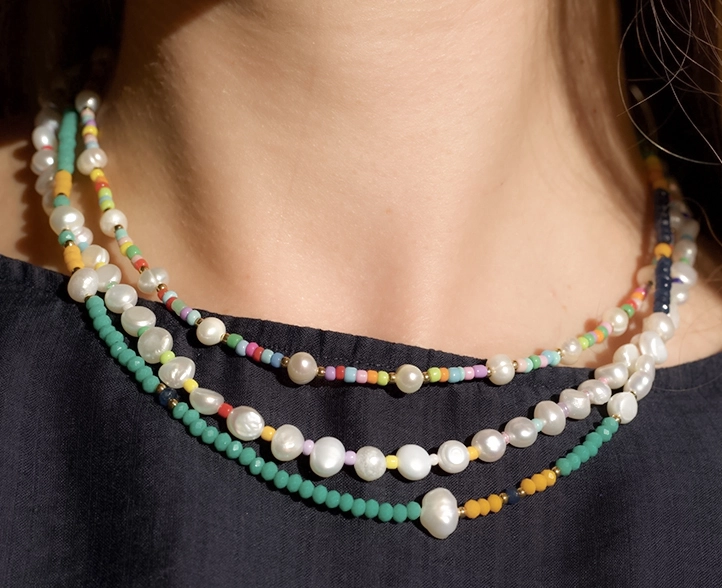


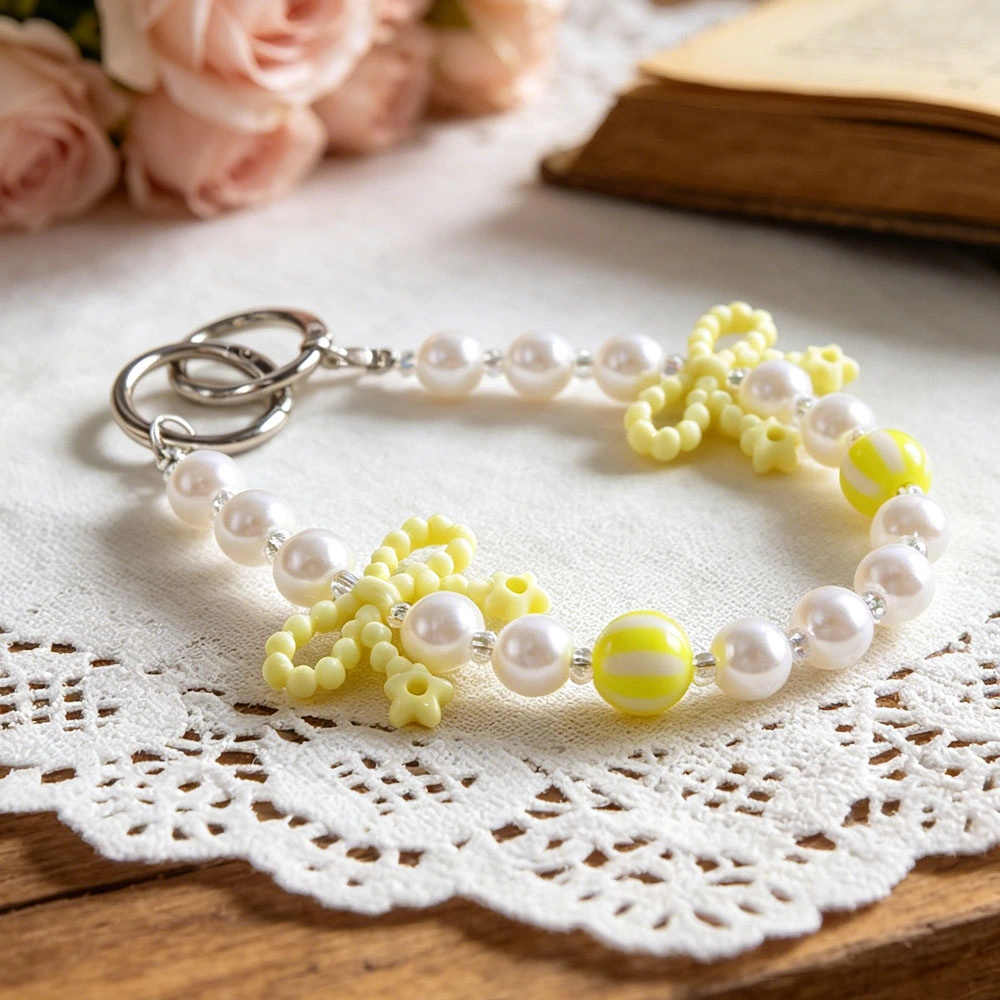
When buyers compare glass, freshwater, and plastic pearls, they are usually deciding how much natural character, weight, and care a design should have. Glass pearls give a clean pearl look with repeatable color and shape. Freshwater pearls bring real nacre, small surface differences, and a more personal feel. Plastic pearls sit in a different lane: light, affordable, and useful for playful accessories or craft items. This guide compares cost, durability, touch, and suitable uses so jewelry sellers and designers can pick the material that fits the product instead of relying on appearance alone.
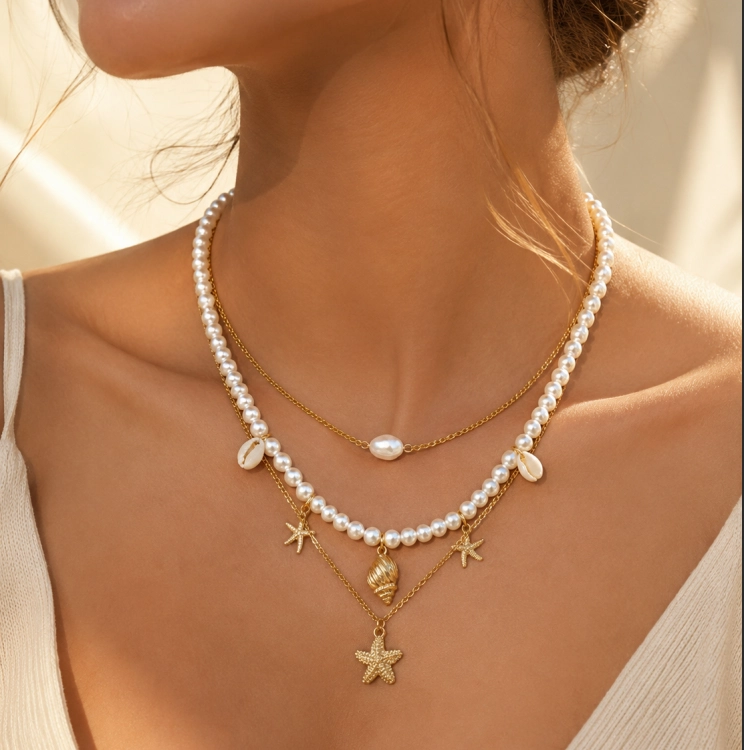
What Are Glass Pearls, Freshwater Pearls, and Plastic Pearls?
What Are Glass Pearls?
Glass pearls are essentially glass beads coated with a pearl-like finish. The solid glass center provides them with greater heft than plastic. Meanwhile, the outer layer produces the gentle gleam shoppers connect with in pearl-style jewelry. Since the core bead is manufactured in consistent sizes and shades, glass pearl jewelry works beautifully for matched sets, earrings, bracelet stacks, rosaries, and trendy collections that demand reliable manufacturing.
Freshwater Pearls
Freshwater pearls are farmed pearls developed inside mollusks. Many consist of solid nacre throughout the entire bead. That natural nacre grants each pearl rich depth, surface vitality, and minor variations. These traits do not show up in shaped imitation pearl materials. Freshwater pearls can look white, purple, orange, and various other muted hues. Moreover, jewelry-grade pearls might display pink or crisp white glowing reflections. For this reason, freshwater pearl jewelry frequently feels much more organic compared to a flawlessly identical imitation strand.
Plastic Pearls
Plastic pearls are fake pearls crafted from plastic or acrylic foundations. They feature a pearl-style outer layer. They lack the familiar chilly touch or solid weight of genuine pearls. However, that lighter sensation is occasionally exactly what the item demands. A tumbler chain, short phone strap, costume necklace, or hobby kit might become bothersome if every single bead is heavy. Plastic additionally grants creators greater flexibility with vivid colors and bulky ornamental shapes.
Cost, Durability, and Best Uses
| Pearl type | Cost and durability profile | Best uses |
| Glass pearls | Moderate cost; tough for fashion jewelry when the coating is shielded from harsh friction | Matching sets, strands, earrings, rosaries, and showcase jewelry |
| Freshwater pearls | Higher cost; genuine nacre requires careful handling and safe storage | Bridal styles, gift jewelry, elegant necklaces, and memorable bracelets |
| Plastic pearls | Lowest cost; highly lightweight, highly practical, and less authentic in hand | Crafts, phone charms, cup chains, children’s accessories, and festive items |
Expense represents merely a single aspect of the glass pearls vs freshwater pearls choice. Freshwater pearls hold innate worth. Therefore, buyers might agree to a steeper price and slight inconsistency. Glass pearls and plastic pearls both serve as fake alternatives. Still, glass typically supplies a more jewelry-appropriate heft. It also provides a cooler physical sensation than plastic.
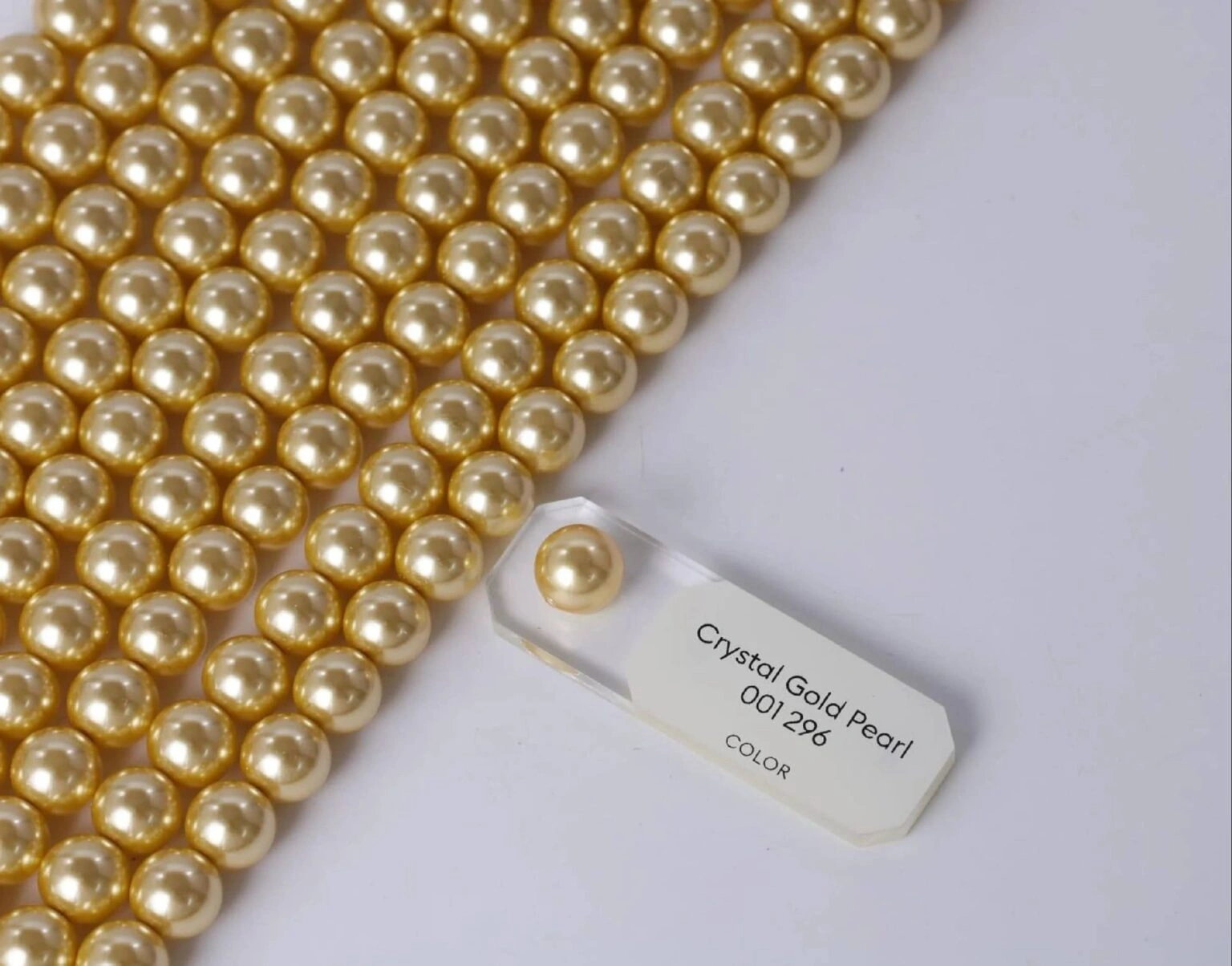
If you’re looking for a higher-quality option, GO2CJBEADS offers imitation pearls whose color and quality perfectly match Swarovski pearls, but at a significantly lower price. Our pearls combine exceptional value with elegant sophistication. Please refer to the color comparison chart below to see how our products compare to Swarovski.
How Each Material Performs in Real Jewelry Lines
Everyday Fashion and Trend Lines
Glass pearls frequently stand as the simplest pick for daily fashion collections. They allow a vendor to assemble pearl studs, chokers, stacked bracelets, or combined bead items. They do this without struggling against massive disparities among individual units. In a fast-moving line, that consistency matters: a reorder can still match the original style closely enough for product photos, sets, and color stories to stay coherent.
Bridal, Gift, and Formal Looks
Freshwater pearls are highly appropriate for jewelry that must project a deeply personal touch. Their forms and glow can vary marginally along a bracelet or necklace. This grants the item a flowing natural rhythm. For bridesmaid presents, tiny stud earrings, pendant necklaces, or vintage-inspired designs, this subtle variation can seem far more precious than rigid sameness.
Craft, Display, and Low-Weight Accessories
Plastic pearls claim their spot when ease, bulk, and hue matter significantly more than strict realism. Sleek, friction-resistant plastic imitation pearls function nicely for tumbler chains, phone straps, holiday accessories, and hobby projects. They must be offered truthfully as fake materials, never as natural pearls. Used in the right product, though, they can give a bright pearl effect while keeping the final item light enough for daily carrying or display.
Buying Checks for Imitation Pearl Materials
Surface, Hole, and Texture Checks
Genuine pearls frequently feel chilly upon initial contact. They might also exhibit a subtle rough sensation when two pearls are lightly rubbed against each other. Glass and plastic pearls generally feel much sleeker and more regular. A very even color, a perfectly round molded shape, or identical surface shine can be useful signs that the piece is designed for consistency rather than natural variation. Additionally, examine the drill hole. A damaged coating or jagged borders can cause a completed necklace to appear lower in quality than the bead itself.
Cost Planning for Wholesale Orders
The finest imitation pearls for a commercial collection are the ones that uphold the guarantee of the final product. An elegant necklace might warrant glass pearls. This is because the mass and glow feel much closer to fine jewelry. A joyful promotional item, phone accessory, or festive piece might function better using plastic.
Finding a High-Quality Supplier
GO2CJBEADS operates across handcrafted beaded bracelets, necklaces, rosaries, earrings, mobile phone chains, and related accessories. During our material selection process, we evaluate glow, bead hole standard, surface sleekness, mass, color stability, and the manner in which the item will be utilized.
You can select existing styles through our store link; we ship very quickly. In addition to existing styles, we also warmly welcome OEM orders. We offer custom design services, low minimum order quantities for beaded jewelry, and custom packaging. For our customers’ convenience, we also provide free samples.
FAQ
Q: What are glass pearls made of?
A: Glass pearls are typically glass beads enveloped in a pearl-like finish. The outer layer provides the gentle radiance, and the glass center supplies greater mass than plastic. They are not natural pearls, but they are widely used in pearl-style jewelry when a smooth surface, steady size, and repeatable color are important.
Q: Are glass pearls vs real pearls easy to tell apart?
A: The glass pearls vs real pearls distinction is simplest to spot through touch, mass, surface irregularity, and rubbing friction. Genuine pearls generally feel chilly initially and might display minute flaws. Glass pearls normally appear more regular. They also do not produce the rough sensation.
Q: Are freshwater pearls always more durable than imitation pearls?
A: Not in every case. Freshwater pearls are genuine pearls containing natural nacre. Therefore, they still require careful maintenance away from perfume, perspiration, harsh cleaners, and intense rubbing. Glass pearls can remain tough for daily fashion if the outer coating is shielded. Plastic pearls are lightweight and highly practical. Nevertheless, their finish might appear less authentic following intense usage.
Q: Which imitation pearl materials work for large-volume jewelry?
A: Glass pearls normally function beautifully for high-volume jewelry that requires an elegant and reliable appearance. Plastic pearls suit orders where minimal weight, and low-expense hold greater importance. Shell-based imitation pearls can look much closer to genuine pearls. Still, buyers must evaluate the surface, hole, color consistency, and mass before starting production.