
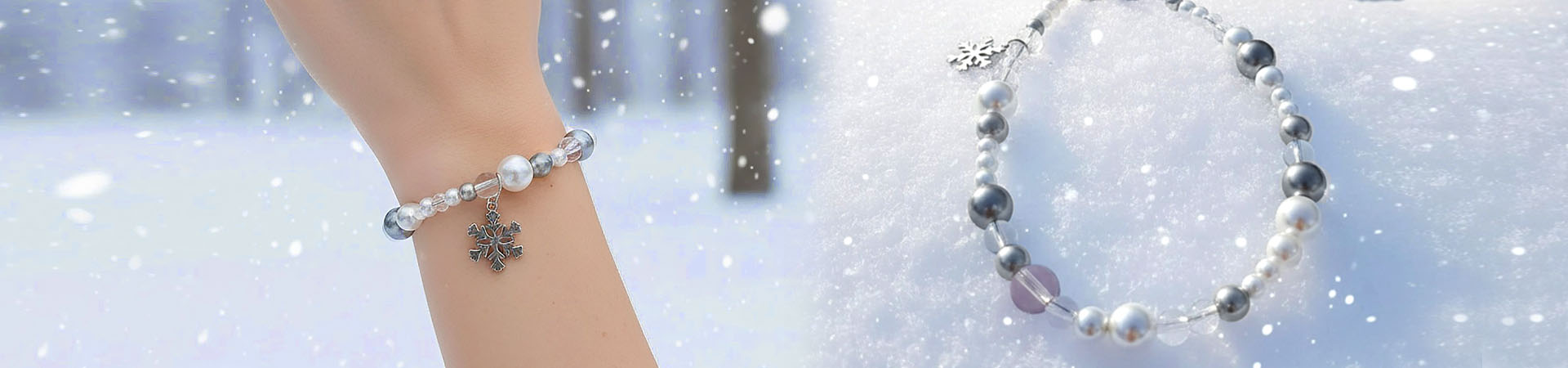
Buyer’s Guide for Loose Beads & Finished Glass Bead Jewelry
Table of Contents
Related news
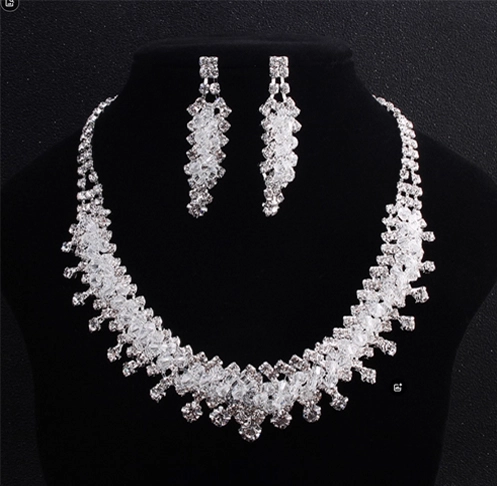

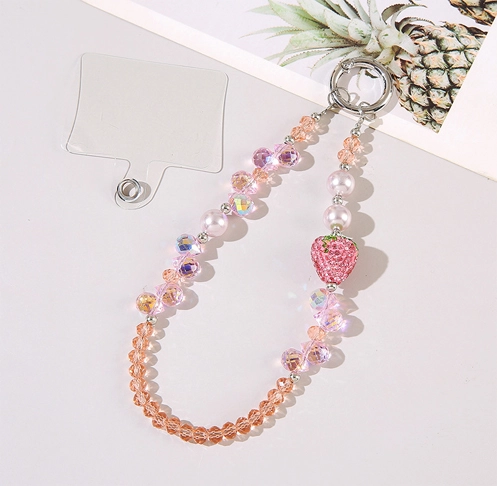
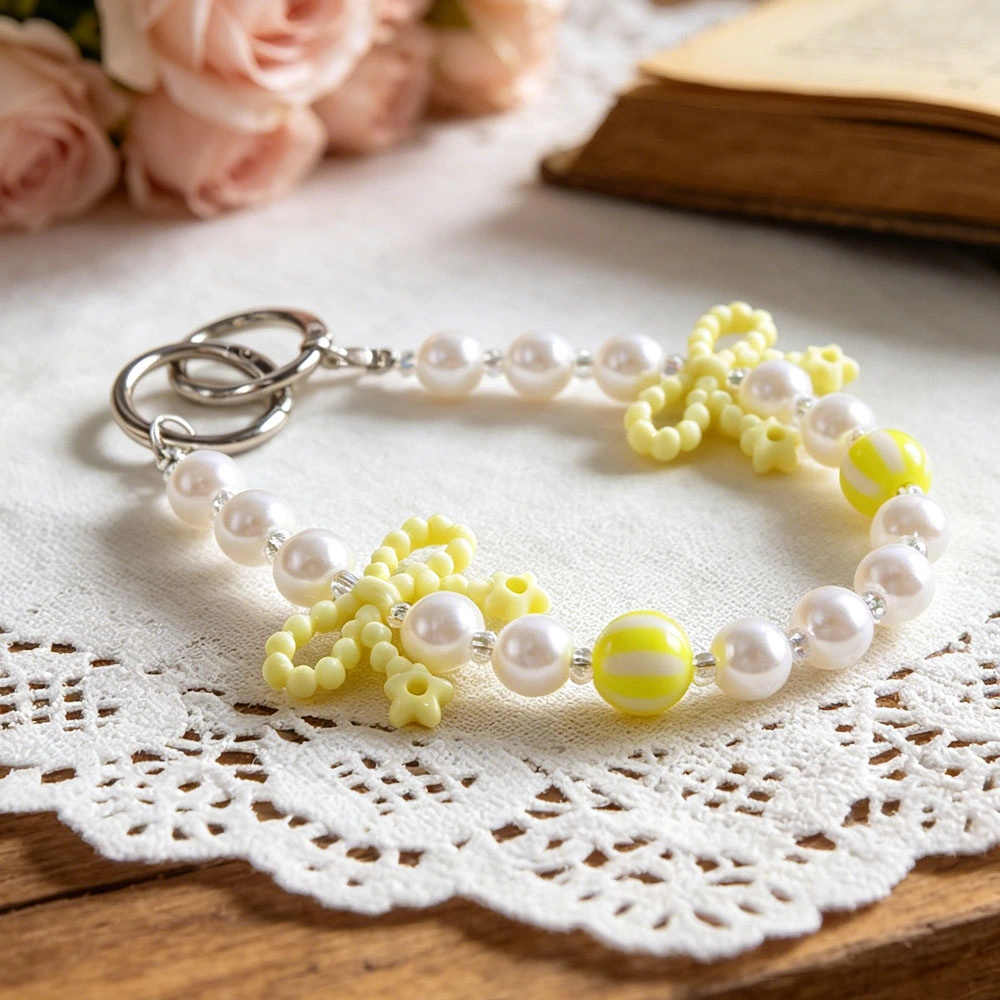
Minor variations in bead shape, hole size, finish, weight, and color consistency can transform a full jewelry collection. One part that fits well in an earring might seem heavy for a long necklace. A shiny coating could work better for fashion jewelry than a traditional style.
Brands, wholesalers, importers, and product developers must check if a nice material can stay consistent across samples, large production runs, and later orders. This guide covers the main types, quality details, and sourcing choices.
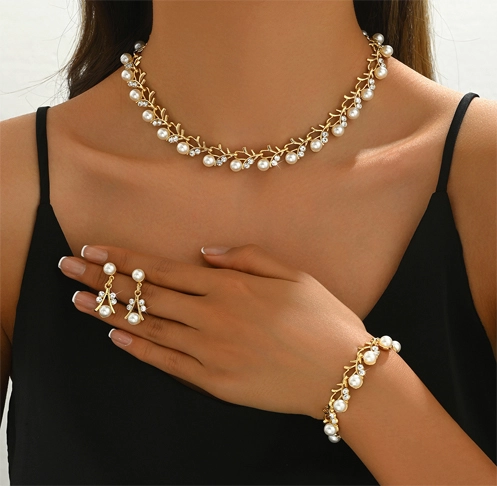
What Are Glass Beads, and What Defines Good Quality?
Glass Beads serve as decorative components made in many shapes, sizes, colors, and surface effects. These beads may appear clear, solid, coated with a pearl finish, cut with facets, given a matte look, even, or showing shifting colors. Such variety makes the beads suitable for necklaces, bracelets, earrings, rosaries, phone chains, and other beaded accessories.
How Glass Beads Differ from Crystal, Acrylic, and Natural Stone
| Material | Typical effect | Weight and feel | Common use |
| Glass | Clear, colored, matte, pearl-like, or reflective | More substantial than many plastics | Fashion jewelry and coordinated collections |
| Acrylic | Bright, playful, and lightweight | Light and comfortable | Large shapes and novelty designs |
| Crystal-style components | Strong sparkle and sharp reflection | Decorative and light-focused | Statement accents |
| Natural stone | Organic variation and texture | Varies by stone | Earthy, premium, or spiritual designs |
Glass becomes useful when buyers want broad color options and regular shapes. Compared with acrylic, glass often provides a denser feel and a more refined surface.
Key Quality Factors: Color, Shape, Hole Size, Finish, and Batch Consistency
Buyers should inspect five practical points.
1.Color consistency allows beads in one lot to support a unified design.
2.Shape and size matter because irregular dimensions can affect symmetry, length, and bead count.
3.Hole quality ensures the opening suits the selected cord, thread, wire, or chain.
4.Surface finish requires checks for scratches, uneven areas, or damage around the holes.
5.Repeat-order stability means the approved sample should remain reproducible in later production.
The process at GO2CJBEADS includes material and color confirmation, sample review, and inspection before shipment. For custom glass beads work, we also assess whether bead holes remain compatible with the intended construction.
Main Types of Glass Beads for Jewelry Making
Different bead types serve different visual and structural purposes. Collections often combine one main bead with spacers or focal accents.
Glass Round Beads: A Versatile Choice for Necklaces and Bracelets
Glass Round Beads work across single-strand necklaces, stacked bracelets, rosaries, pendant chains, and matching sets. Smaller rounds create delicate patterns. Medium sizes can become the main design element. Larger rounds can act as focal beads.
Designers can adjust spacing, color sequence, and bead count without changing the basic construction. Finished weight and comfort still require testing.
Glass Pearl Beads: Uniform Luster for Classic and Modern Designs
Glass Pearl Beads feature a glass foundation together with a surface resembling pearls. Glass Pearl Beads differ from natural pearls. Glass Pearl Beads deliver consistent shape along with matching color plus smooth visual flow.
Glass Pearl Beads work well for bridal-inspired pieces, office jewelry, classic necklaces, and designs that mix pearls with chains. Buyers need to check the coating near the holes since friction occurs around holes.
Glass Seed Beads and FGB Glass Beads: Precision for Detailed Styles
Glass Seed Beads are much smaller than standard round beads and are used for weaving, embroidery, spacers, tassels, and detailed patterns. Because many beads appear in one piece, small size differences can become obvious.
When evaluating FGB Glass Beads or another seed-bead line, focus on dimensions, hole size, edge smoothness, coating evenness, and color matching. These details affect weaving speed, pattern accuracy, and the final surface.
Novelty Glass Beads
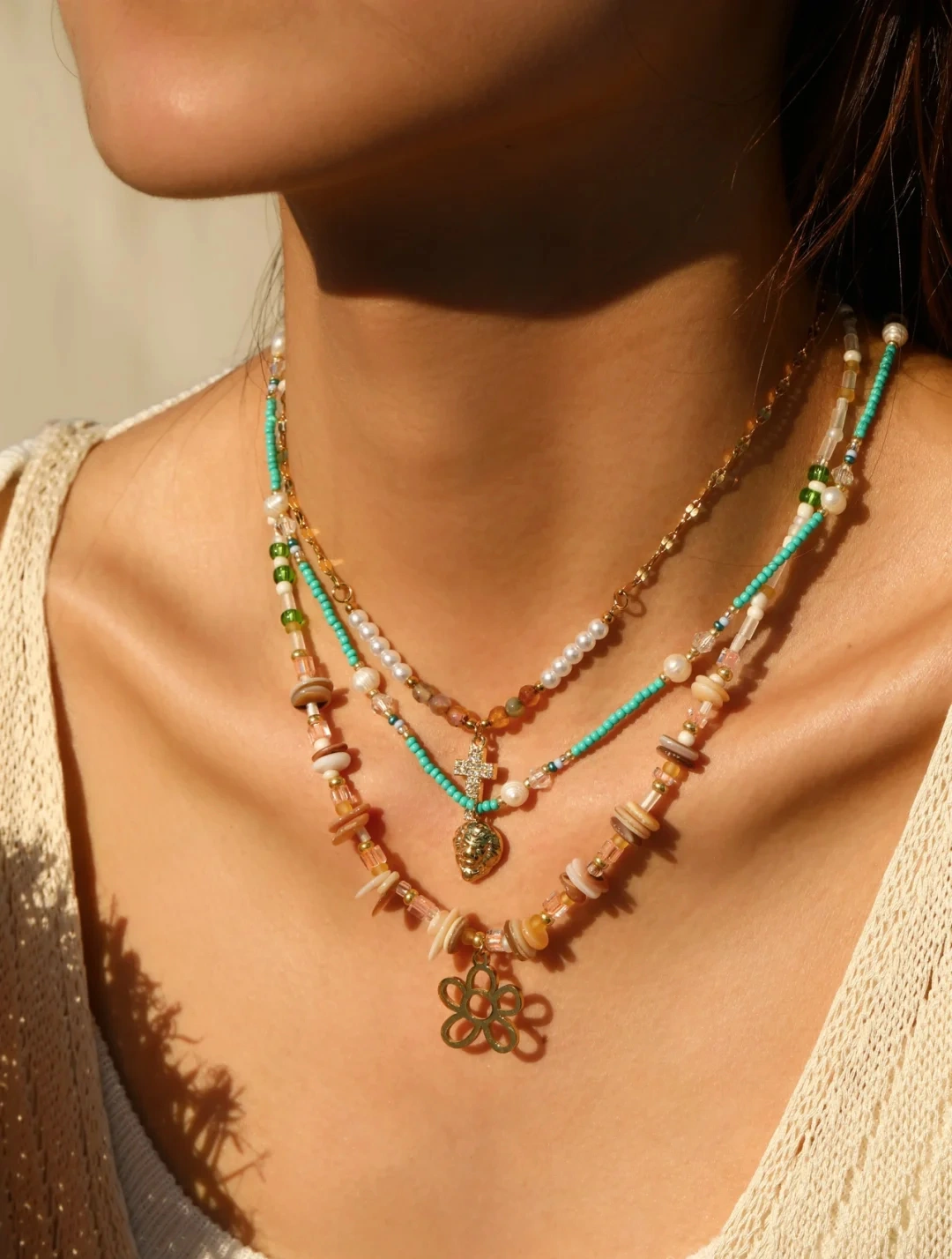
Novelty beads are usually made from recognizable shapes such as flowers, fruit, hearts, and even simple cubes. The Novelty shape creates the theme or focal point for a design. In general, a design with one strong focal point supported by simpler beads is easier to market and to reproduce than a very complex design with too many features.
How to Choose Glass Beads for a Jewelry Collection
The best choice depends on the product, customer, target price, and production method.
Match Bead Size and Shape to the Product
For earrings, check total weight and movement. For bracelets, consider comfort, flexibility, and skin contact. For necklaces, review drape, length, clasp balance, and twisting. For rosaries or prayer beads, spacing and count must support the intended structure.
A useful sampling sequence includes several steps.
1.Confirm the product category and dimensions.
2.Select the main bead size and shape.
3.Match the hole to the stringing material.
4.Test the complete piece rather than only the loose component.
5.Approve color and finish under normal indoor light.
Compare Finish, Durability, Colorfastness, and Wear
Transparent beads create a lighter look. Opaque colors form stronger visual blocks. Matte surfaces reduce reflection. AB and metallic-style coatings add movement.
The most decorative finish is not always the best commercial choice. Bracelets rub against desks. Earrings may come into contact with perfume. Phone chains often touch hard surfaces. Buyers should evaluate how the item will be worn and handled.
Balance Design Detail, Target Price, and Repeat-Order Consistency
| Design question | Commercial question | Production question |
| Does the bead support the intended style? | Does it fit the target retail price? | Can the result be repeated in bulk? |
| Is the finish visible at normal distance? | Will handwork increase cost? | Are size, color, and holes consistent? |
| Is the piece comfortable? | Is the design easy to sell? | Can repeat orders match? |
Extra detail can raise perceived value but also adds assembly time. Sampling shows which details remain essential and which can undergo simplification.
Loose Beads vs Finished Glass Bead Jewelry: Which Should B2B Buyers Source?
When Loose Beads Are the Better Fit
Loose beads suit buyers who already manage design, assembly, quality control, packaging, and scheduling. This route offers flexibility. An in-house team often combines materials from several sources.
The buyer must still control compatibility among bead holes, stringing materials, findings, coatings, and final dimensions. A component may behave differently in a complete piece. Select experienced manufacturers with stable sources of supply and high standards for quality control, such as GO2CJBEADS.
When a Finished Jewelry Manufacturer Reduces Sourcing Risk
Finished production often becomes more efficient when one partner coordinates materials, sampling, assembly, inspection, and packaging.
Consider a boutique brand developing a necklace, bracelet, and earrings in one glass color story. Buying components separately means testing every connection and managing several stages. One finished jewelry supplier allows approval of complete samples and the collection as a whole.
At GO2CJBEADS, support exists for custom samples, OEM orders, and customized packaging. Buyers can submit drawings, reference images, material preferences, dimensions, colors, quantities, and special requirements for feasibility review.
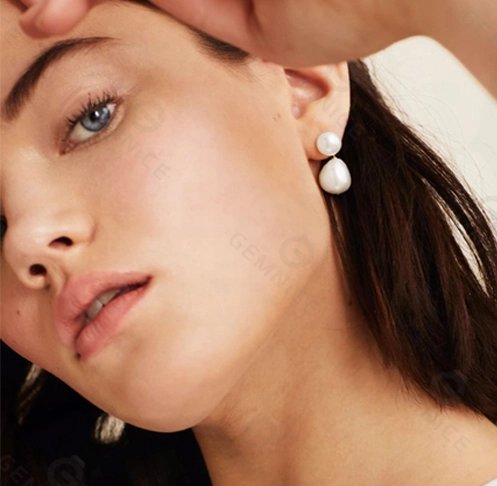
From Material Selection to Custom Production
A clear development process turns a broad concept into a repeatable product.
1.Product type, such as a necklace, bracelet, earring, rosary, or phone chain
2.A reference image, drawing, or written description
3.Preferred material, color, size, and finish
4.Target dimensions and estimated quantity
5.Packaging, logo, delivery, or other requirements
Our team reviews design complexity, material availability, construction compatibility, and sampling needs. After the sample receives confirmation, production can proceed using the approved materials and structure. Designers create new styles and custom samples. The quality process covers material confirmation and finished-product inspection.
Choosing glass beads involves more than selecting a color. Strong B2B decisions connect design intent with comfort, cost, construction, quality control, and repeat-order needs. Evaluating these factors together makes finished jewelry easier to approve, sell, and reproduce.
FAQ
Q: How long does sample production take, and what is the sample cost?
A: Our sample production cycle is normally one day after the design draft, materials, colors, and other product details have been confirmed. The sample fee is generally between $10 and $50 per item, depending on the complexity of the design and production process. The sample fee can be refunded after a bulk order is placed. Shipping costs are paid by the customer, and samples are normally shipped by DHL or FedEx.
Q: What is the minimum order quantity for custom glass bead jewelry?
A: The MOQ for regular styles is 100 pieces per style. Complex custom designs, including products with multiple bead colors or irregular accessories, normally require 200 pieces per design. For mixed-style orders, the total quantity must be at least 500 pieces, and buyers can usually combine three to five styles in one order.
Q: What are the production lead time and payment terms?
A: The typical production cycle is 7–10 days for orders of 500–1,000 pieces and 15–20 days for orders above 1,000 pieces. These estimates do not include shipping time. Our standard payment terms are a 30% prepayment before production and the remaining 70% balance before shipment. Payment methods include T/T and PayPal.
Q: What are glass beads made of?
A: They come from glass that receives shaping, coloring, coating, polishing, or faceting to create different decorative effects.
Q: What is the difference between Glass Round Beads and Glass Seed Beads?
A: Glass Round Beads generally stay larger and often serve as visible design elements. Glass Seed Beads remain smaller and commonly appear in weaving, spacers, embroidery, tassels, and detailed patterns.
Q: Are Glass Pearl Beads real pearls?
A: No. These beads consist of manufactured items with a glass base and a pearl-like surface. They can provide a regular shape and coordinated finish but differ from natural or cultured pearls.
Q: What are FGB Glass Beads used for?
A: Buyers commonly evaluate them for seed-bead applications such as weaving, spacing, embroidery, and detailed patterns. Size consistency, hole quality, finish, and color matching should receive confirmation before bulk production.
Q: How do I choose between Loose beads and finished glass bead jewelry?
A: Choose Loose beads when assembly and quality control have already been received by management. Choose finished production when support becomes necessary with material matching, sampling, construction, inspection, packaging, and repeat-order consistency.