

Glass Beads Explained: Round, Pearl & Seed Beads in Jewelry Design
Table of Contents
Related news

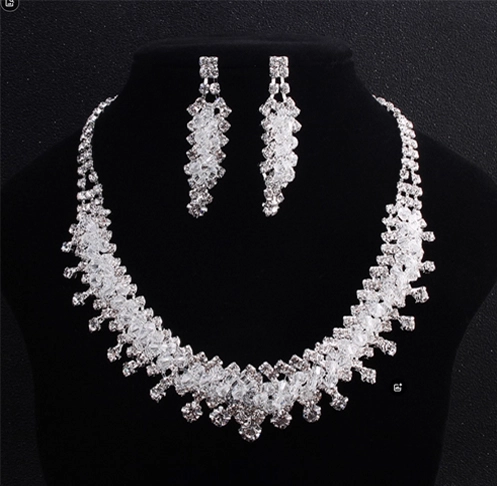

Glass beads might seem basic at first glance. However, minor tweaks in glass bead shapes and sizes can totally transform a piece of jewelry. A sleek round bead builds a neat rhythm. Meanwhile, a tiny seed bead brings in intricate color patterns. Furthermore, pearl-finished glass beads offer a much gentler glow.
Knowing these details helps clarify why one bracelet feels fun. It also shows why another looks elegant or highly intricate. In every single design, the ultimate look depends on a strong link between material, scale, color, and skillful work.
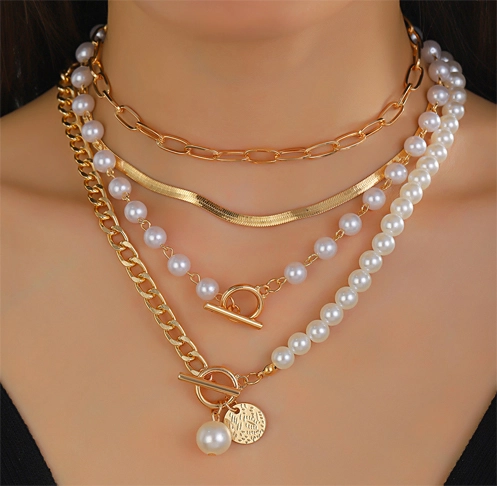
What Are Glass Beads?
Glass Beads are ornamental pieces made from glass. Makers shape them for various accessories. They can be polished or coated. Options include transparent glass beads, translucent glass beads, and opaque glass beads. This huge variety of visual effects makes glass a highly flexible option for bead crafting.
How Glass Beads Take Their Shape
A curved bead gives a solid, even outline. On the other hand, faceted glass beads feature flat sides. These sides grab light from many different angles. Tiny tubular or curved seed beads can pack tightly together. This tight fit helps form highly detailed patterns.
Shape also impacts how beads sit next to each other. It changes how they slide along a string. Ultimately, the shape builds a layout that might be dense, light, even, or purposely uneven.
Why Glass Works So Well in Jewelry
Glass can yield a tender, pearl-like shine. It can also provide a brilliant, crystal-like flash or a bold, solid tone. Furthermore, makers often pair it with acrylic pieces, natural stones, or fake pearls. Metal accents also work well when all parts share the same visual goal.
This amazing flexibility makes glass bead jewelry perfect for daily outfits. It also suits weddings, parties, and beach trips. Religious events and ornamental crafts benefit from these items too.
The Main Types of Glass Beads Used in Jewelry
The broad term Glass Beads covers many different shapes. Four specific groups are highly helpful. They make it easier to see how a piece reaches its final style.
| Bead type | Main visual effect | Typical design role |
| Glass Round Beads | Smooth and balanced | Main strands, bracelets, necklaces |
| Glass Pearl Beads | Soft, even luster | Refined and romantic details |
| Glass Seed Beads | Fine texture and colorwork | Patterns, borders, spacers |
| FGB Glass Beads | Precise small-bead detail | Repeated patterns and transitions |
Glass Round Beads: Balanced and Light-Reflective
Glass Round Beads set up a crisp visual flow. Their repeating form makes a necklace look very neat. This remains true even if you mix several colors. Sleek round glass beads offer a peaceful surface. Meanwhile, angled versions deliver much brighter flashes of light.
Size also alters the overall impact. Small round glass beads feel quite fragile. They are very easy to layer. Medium options offer a solid daily look. Bigger pieces naturally turn into centerpieces. If you mix multiple sizes, the largest part directs the viewer’s focus. This gives the item a distinct middle point.
Glass Pearl Beads: Soft Luster and Consistent Shape
Glass Pearl Beads start with a solid glass core. They feature a pearl-like outer layer. They differ greatly from clear or angled glass. Instead of throwing off sharp sparkles, they bounce light in a very gentle way.
Their steady, round shape aids neat and matched layouts. They excel in wedding-themed crafts and retro styles. Romantic items and modern goods also benefit from their subtle glow. Mixing them with transparent glass beads builds a handy contrast. This setup balances a gentle shine against a harsher light.
Glass Seed Beads: Small Scale, Detailed Patterns
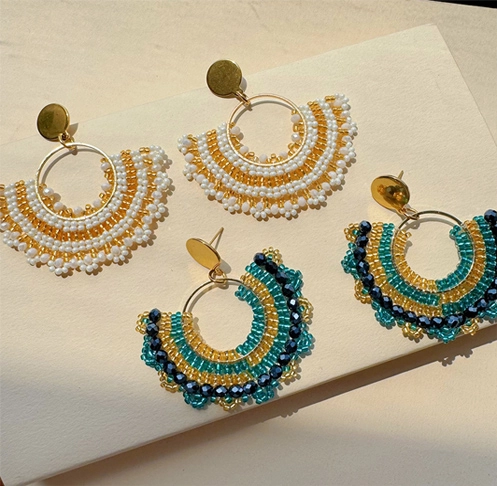
Glass Seed Beads are vastly smaller than typical centerpieces. Their tiny size lets them pack closely together. This trait makes them ideal for woven spots and thin edges. They also handle delicate patterns and smooth color shifts perfectly.
They routinely work as simple dividers between bigger pieces. Clear versions make a layout feel much lighter. Solid types reinforce the overall color scheme. Additionally, pearl-finished glass beads add a faint gloss. They do this without hiding the main focal points.
FGB Glass Beads: Precision in Small-Bead Design
FGB Glass Beads fit seamlessly into the tiny bead family. They become vital when a layout needs neat gaps. They also help with repeating tiny forms or slow color shifts.
They do not fight for attention with bigger pieces. Instead, they nicely outline center areas. They can link distinct materials together. They also supply dense patches of fine detail.
How Shape, Finish, and Size Change the Final Look
Two items built from similar supplies might look totally different. This happens when the maker alters the form, outer texture, or overall scale.
Shape Controls Rhythm and Structure
Curved beads build steady repetition and flow. Faceted ones introduce a sense of motion. Tiny beads supply thickness and fine detail. Uneven accents break up a repeating layout. This break adds a charming, handmade vibe.
A robust layout usually assigns a specific job to every shape. One form sets up the primary rhythm. Meanwhile, a different shape acts as a center mark or a smooth bridge.
Surface Finish Controls Light and Color
A single color shifts greatly under various glass bead finishes:
1.Transparent glass beads feel airy and open.
2.Translucent glass beads yield a milder, foggy vibe.
3.Opaque glass beads give shades a much bolder stance.
4.Pearl coatings deliver a very mild reflection.
5.Angled cuts generate a much harsher glitter.
6.Rainbow-like coatings can swap tones from varying views.
Applying too many distinct glass bead finishes can make an item look messy. A well-planned layout usually picks one main texture. It then uses a second one merely for highlights.
Size Controls Detail and Proportion
Tiny items allow for great exactness. In contrast, bigger pieces hold more visual heaviness. A necklace holding a large pendant might require tiny bordering parts. This ensures the pendant stays the star. A bracelet lacking a main charm could rely on medium or varied sizes. This tactic builds steady interest across the entire layout.
From Loose Beads to Finished Jewelry
Loose beads serve as raw, single parts. However, a completed item must feel steady, cozy, and well-planned. Transforming Loose glass beads into wearable art requires careful thought. It takes much more than just sliding pretty colors onto a thin thread.
How a Cohesive Design Is Built
A logical planning process features these steps:
1.Pick the overall mood. Options include fancy, bright, fun, spiritual, or simple.
2.Choose a single main bead style.
3.Toss in backup pieces. These should offer contrast without causing visual clutter.
4.Map out the sequence of shades and sizes before you start building.
5.Review how the beads, charms, hooks, and extra bits match up.
6.Fix the gaps and alignment to ensure a pleasing look.
7.Check the final good for tight construction and easy, cozy movement.
Design Case Study: A Balanced Glass Bead Bracelet
Think about a bracelet idea centered on medium Glass Round Beads in one primary hue. On their own, they shape a neat and timeless row. Tossing in a few Glass Pearl Beads brings in soft, glowing highlights. At the same time, tiny Glass Seed Beads offer visual resting gaps between specific zones.
Every single piece holds a unique job. The round ones build the core framework. The pearl-style ones relax the overall vibe. Finally, the tiny seed versions manage the gaps. This outcome feels much richer than a basic, one-material row. Yet, it remains very easy to grasp instantly. This exact logic can easily guide the making of necklaces, earrings, rosaries, and other crafts.
How GO2CJBEADS Brings Glass Bead Styles Together
At GO2CJBEADS, we always start by defining the desired style. We also consider the final use of the product. Next, we pick specific components that showcase that concept perfectly.
For an elegant vibe, we might favor pearl-like textures and modest gaps. For a louder style, transparent glass beads or angled cuts provide extra lively motion. For intricate color patterns, tiny items can link larger parts together. They can also build dense, pretty zones. We might even mix glass with acrylics, real stones, fake pearls, or metal bits. We do this whenever those extras boost the main visual theme.
Our artistic team invents fresh styles and drafts quick samples. This step lets us judge the colors, scale, layout, and frame before moving ahead. We also focus heavily on strict quality control during manufacturing. A gorgeous finished product must feature safe construction and also needs to be pleasant to wear or handle.
The finest glass bead jewelry avoids overly heavy decoration. Instead, it places every single part with a clear goal. This smart approach lets the shape, outer texture, and shade blend together flawlessly.
Frequently Asked Questions About Glass Beads
Q: What are Glass Beads made of?
A: Glass Beads are made from glass that is shaped and finished into decorative components. Depending on the design, they may be polished, faceted, coated, pearl-finished, transparent, translucent, or opaque.
Q: What is the difference between Glass Round Beads and Glass Seed Beads?
A: Glass Round Beads stand out primarily due to their curved shape. They exist in numerous sizes. On the flip side, Glass Seed Beads remain much tinier. Crafters rely on them heavily for tight patterns, gaps, edges, and tricky color tasks.
Q: Are Glass Pearl Beads real pearls?
A: No, they are not. Glass Pearl Beads possess a solid glass core. They sport a shiny, pearl-like outer skin. This setup grants them a steady form and a mild glow. In stark contrast, real and farmed pearls grow naturally inside living mollusks.
Q: What are Loose beads used for in jewelry making?
A: Loose beads act as single building blocks for crafters. People use them to build necklaces, bracelets, earrings, rosaries, and fun trinkets. Their color, size, finish, and arrangement determine the structure and character of the finished design.
Q: What are FGB Glass Beads?
A: FGB Glass Beads serve as tiny components strongly tied to delicate beadwork. They are suitable for compact patterns, tidy spacing, repeated shapes, and controlled color transitions within a larger composition.