
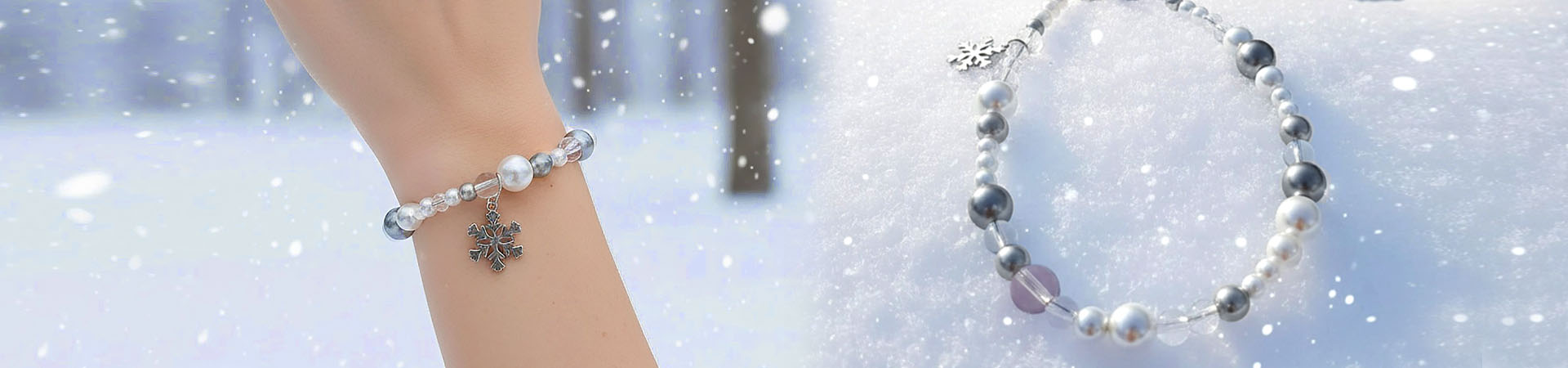
Mother of Pearl vs. Pearl: What’s the Real Difference?
What Is the Difference Between Mother of Pearl and Pearl?
The mother of pearl and pearl matchup starts with formation in mollusks. Both hold nacre. Creation steps and end looks differ a good deal.
The Formation Process of Mother of Pearl
Mother of pearl goes by nacre as well. This substance lines the inner shells of mollusks like oysters and abalones. Thin layers of aragonite crystals form it. Conchiolin proteins bind these crystals. The binding gives firmness and shine. The colorful cover adds to the beauty. The cover works as a guard too, which shields the mollusk from parasites and waste.
How Pearls Form Inside Mollusks
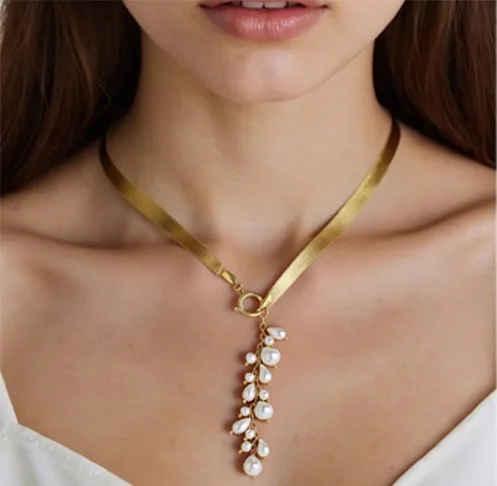
Pearls develop after an irritant enters. The irritant usually consists of a sand particle or small tissue piece. The irritant lodges in soft mollusk tissue. Nacre builds up in layers around the irritant as time passes. A round gem emerges with strong shine. Natural pearls develop free from human aid. Cultured pearls arise in supervised farming setups. Cultured types include Akoya, South Sea, Tahitian, and Edison pearls. Each type displays distinct color, size, and origin.
How Do Appearance and Texture Differ Between Mother of Pearl and Pearl?
Both display colorful shine. Physical features change with the makeup of the structure. Spotting these features aids in spotting real goods, which counts when people buy jewelry or decor.
Visual Characteristics of Mother of Pearl
Mother of pearl shows a level face and rainbow gleams appear on it. Light makes the gleams change. A layered build gives a smooth but slightly bumpy touch. It is commonly used as an inlay for watches, buttons, furniture accents, or musical instruments because it can be cut into thin sheets without losing its sheen.
Visual Characteristics of Pearls
Pearls take round or egg forms most often. A rich shine called “orient” marks them. Colors include white, pink, gold, lavender, or black. Species and setting decide colors. South Sea Australian White pearls hold clean, cool-white shades. Iridescent silver tones join them. Tahitian black pearls offer peacock-green hints. Each pearl’s face can have minor flaws. These flaws boost a unique style rather than detract from value.
| Feature | Mother of Pearl | Pearl |
| Structure | Flat shell lining | Spherical gem |
| Luster | Iridescent rainbow effect | Deep orient glow |
| Texture | Smooth but layered | Smooth and uniform |
| Common Use | Inlays & decoration | Fine jewelry |
Which Material Holds Greater Value: Mother of Pearl or Pearl?
Worth hinges on scarcity and skill in work. Looks do not stand alone in setting value. Pearls carry a higher market price in general. Scarcity and growing challenges explain this.
Factors Influencing the Value of Pearls
Natural pearls count as rare while wild oyster groups shrink. Cultured pearls shift in price a lot. Size, form, shine, and source set prices. Akoya pearls shine with brightness. South Sea kinds grow big. Tahitian ones bring bold colors. Edison types cost less. High shine marks them. Sizes past 10 mm draw top costs from collectors often.
Factors Influencing the Value of Mother of Pearl
Mother of pearl is more abundant since it forms naturally inside many shells harvested for food or ornamentation. It is valued for versatility rather than rarity—ideal for decorative arts where elegance meets affordability. Designers favor it for its durability and ability to complement metals like silver or brass in accessories.
What Are the Common Uses for Mother of Pearl vs. Pearl?
These materials fill varied roles in fields. Good looks and deep signs drive uses.
Uses of Mother of Pearl in Design and Decoration
The toughness of mother-of-pearl suits watch faces, buttons, furniture sides, or gear details like guitar boards. It also appears in home décor pieces like trays or mirrors where subtle iridescence enhances luxury interiors. Many cultures regard it as a symbol of protection and harmony.
Uses of Pearls in Jewelry and Fashion Accessories
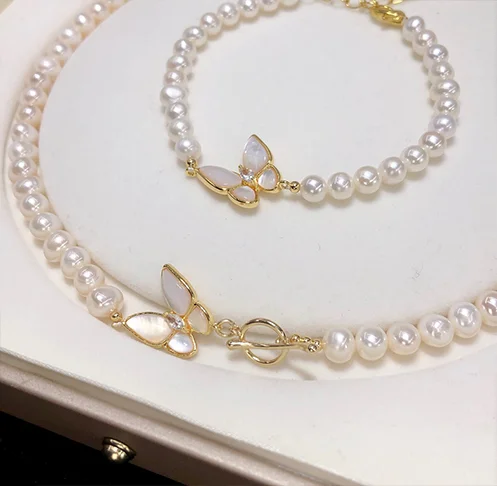
Pearls stand as lasting marks in necklaces, earrings, rings, bracelets, or pins. Weddings or big events worldwide pick them. Signs from clean to smart cross many lands. New makers mix pearls with gold or silver often. This mix builds fresh but timeless styles.
How Can You Identify Authentic Mother of Pearl vs. Real Pearls?
Authenticity testing prevents overpaying for imitations that mimic natural shine but lack depth or structure.
Methods to Test Authenticity at Home or Professionally
For pearls:
- Rub gently against teeth—real ones feel gritty; fakes feel glassy.
- Shine a light through. Real pearls show soft, moon-colored glow with tiny, irregular pores.
- Professionals confirm authenticity using magnification or X-ray imaging.
For mother-of-pearl:
- Genuine pieces reveal irregular color play under light.
- Synthetic versions appear overly uniform.
- Under magnification, real nacre shows layered microstructure similar to natural shell surfaces.
Summary: Understanding Their Unique Beauty and Choosing Quality Sources
Mother-of-pearl brings flexible appeal for design tasks. Pearls carry high-end grace and scarcity and slow growth in live beings mark them. Buyers gain from spotting the differences, which guides buys in jewelry or decor from natural goods.
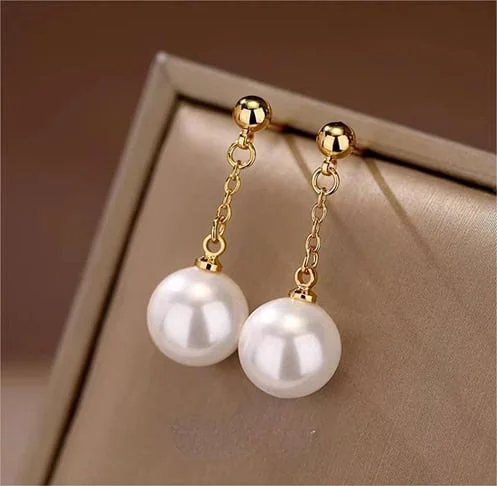
JINGCAN stands as a pro maker of beaded jewelry. Pearl necklaces, pearl earrings, and more come from the firm. Yiwu holds the spot as the world’s largest commodity city. Strict quality checks mark each production step. The firm keeps a solid name in the field. Over ten years of work in making add-ons with natural stuff like glass beads or stones count. The design group builds new styles that fit world fashion shifts.
FAQ
Q: What should I consider when choosing between mother-of-pearl and pearl jewelry?
A: Pick by aim. Pearls fit formal times for grace. Mother-of-pearl is suitable for daily use for toughness and low cost. Grace holds.
Q: Are mother-of-pearl products less valuable than real pearls?
A: Yes in general. Pearls need years to grow in oysters. This growth makes them scarcer than shell nacre for decor.
Q: How can I maintain shine on my mother-of-pearl accessories?
A: Wipe gently with a soft damp cloth and mild soap water. Skip strong chemicals or direct sunlight. These can fade the colorful finish over time.
Q: Where can I buy authentic pearl jewellery online?
A: GO2CJBEADS offers right-sourced pearl jewellery. Checks before ship lock steady quality for world buys. Custom picks come on request.