
Imitation Pearl Jewelry vs. Real Pearl Jewelry: How to Tell the Difference and Choose the Best
Table of Contents
Related news


1. Understanding the Core Differences
What Are Real Pearls?
Real Pearls: Organic Gems Formed by Nacre
Real pearls count as organic gems. Real pearls divide mainly into two categories. The categories include freshwater pearls and saltwater pearls. Each category holds several sub-varieties. Nucleated freshwater pearls are artificially propagated using the cell membrane of an oyster, and they consist entirely of nacre from the inside out. Edison pearl stands as one notable example. Edison pearl originates from Zhuji, China. This variety proves unique in the world. The variety cultivates large high-quality white pearls with a nucleus. The pearls come in a wide variety of colors. The colors include deep purple, bronze, and violet. The pearls feature a distinctive metallic sheen.
Major Types of Saltwater Pearls and Their Unique Features
Saltwater pearls show equal variety. South Sea Australian White pearls develop inside wild white-lipped oysters over a 3-5 year period. The nacre layer reaches at least 0.8mm in thickness. Akoya pearls come from the Pinctada martensii oyster. These pearls measure 5-8mm across. Sizes over 9mm are rare. Formed inside the black-lipped oyster, Tahitian black pearls feature a variety of dark tones, including gray, peacock blue, and peacock green. Mabe pearls present another distinct type. These pearls arise from the penguin oyster. Harvest requires the removal of both the shell and the pearl.
What Are Imitation Pearls? (Glass, Plastic, Shell)
Imitation pearls are manufactured alternatives designed to replicate the visual appeal of natural gems. Plastic pearls come in various sizes, colors, and shapes with a clear plastic texture and stay very light in weight. Shell beads offer another common option as round beads from shells. Shell beads match pearls in texture and weight but lack the luster and color of pearls. Higher-end artificial options often come from pressed shell beads or shell powder with a lacquer coating. Makers use molds for imitation pearls so imitation pearls turn out perfectly round. The bead hole usually stays very large and full.
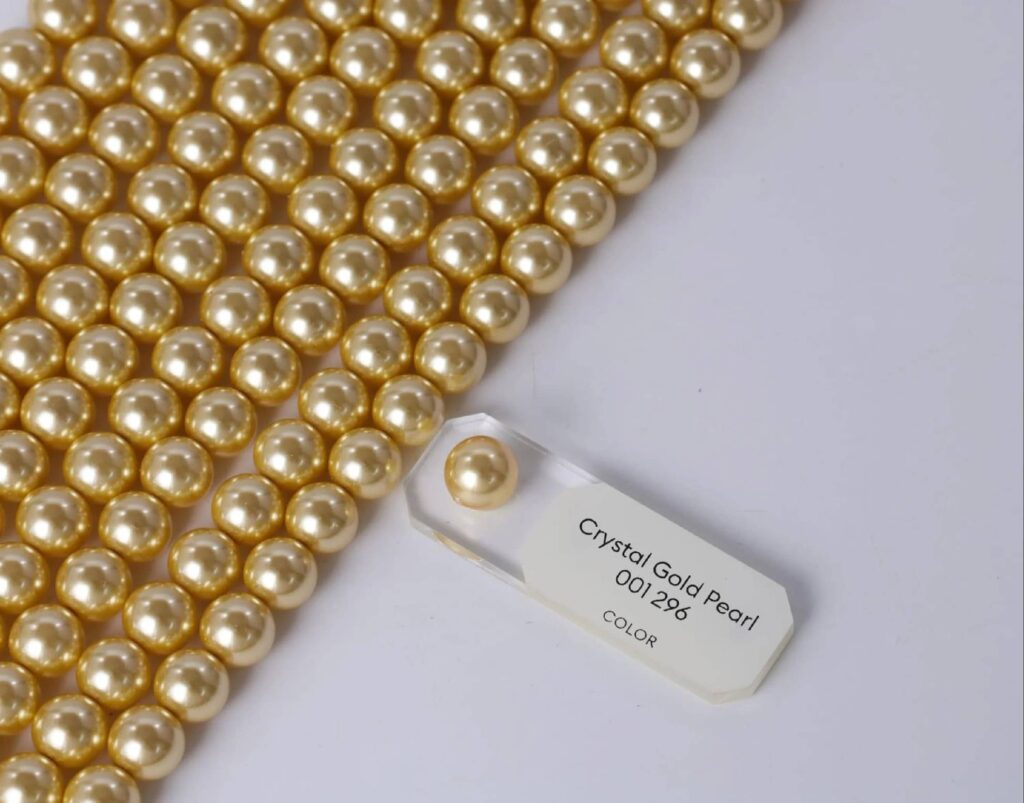
For a premium alternative, GO2CJBEADS offers imitation pearls that perfectly match Swarovski’s color quality at a fraction of the cost. Our pearls provide exceptional value without compromising on elegance. Please refer to our color comparison picture below to see how our collection stacks up against Swarovski’s standards.
2. 5 Foolproof Tests to Tell Real Pearls from Fake Pearls
The Tooth Test and Friction Test (Texture Differences)
The friction test counts as one reliable method for identification. Two genuine pearls produce a noticeable gritty feeling when rubbed together. A small amount of pearl powder falls off. The friction marks wipe away with ease. Glass pearls and plastic pearls lack a gritty feeling during rubbing. The surface layer peels off in pieces after contact.
The scraping method works as another option. A gentle scrape with a knife on the pearl surface yields pearl powder from genuine pearls. The surface returns to the original state after a soft wipe. Direct exposure of the inside marks an imitation pearl.
The Weight and Temperature Tests
The physical feel of the jewelry piece gives immediate clues. Real pearls carry a substantial feel. Real pearls feel cool to the touch. Real pearls reach close to body temperature after wearing. Plastic pearls stand out because the beads lack cool touch. The beads weigh very little.
Examining Shape, the Drill Holes and Luster
Visual inspection works as a highly effective method for buyers. Natural pearls rarely form perfect rounds. The bead hole measures around 1.0mm. The nacre layer shows through the opening. Imitation pearls have irregular pearl holes. The holes leave no pearl powder from drilling.
The light source method offers another check. Placement of the pearl on a mobile phone or lamp reveals traits under light. A real pearl shows soft, moon-colored, or reddish luster. Close inspection uncovers tiny irregular pores. Strong light output with no pores and uneven internal structure points to fake pearls. Genuine pearls display shifting colors and luster. Imitation pearls hold uniform colors and dull artificial tones.
3. Pros and Cons: Which Pearl Type Suits Your Needs?
The Allure of Real Pearls: Value, Uniqueness, and Elegance
The primary advantage of genuine pearls lies in their built-in value and distinct traits. South Sea golden pearls and Australian white pearls rank as highly precious top-grade pearls. Tahitian black pearls carry mysterious, attractive beauty. The pearls cost 3 to 15 times more than ordinary dark black pearls. People who value natural variation notice slight color shifts in each real pearl. Real pearls show different colors under light.
The Advantages of Imitation Pearls: Affordability, Uniformity, and Versatility
Imitation pearls provide exceptional consistency for fashion styling. Manufactured production creates a very even color across imitation pearls. Even tone suits matched accessory sets well. Individuals or retailers who seek versatile fashion elements can turn to the GO2CJBEADS. The brand offers an extensive selection of well-crafted beaded accessories made from materials such as glass beads, acrylic beads, and natural stone.
Quick Comparison: Imitation vs. Real Pearls
| Feature | Real Pearls | Imitation Pearls |
| Shape | Generally not perfectly round | Perfectly round from molds |
| Temperature Sensation | Cool to the touch | Do not feel cool |
| Drill Hole | Around 1.0mm, regular | Very large, full hole |
| Friction Response | Gritty feeling, powder falls off | No gritty feeling, peels easily |
| Burn Test | Not easily charred or blackened | Easily charred, odor present |
| Luster | Ever-changing colors and luster | Uniform colors and dull, fake colors |
4. How to Choose Between Real and Imitation Pearl Jewelry
For Everyday Fashion and DIY
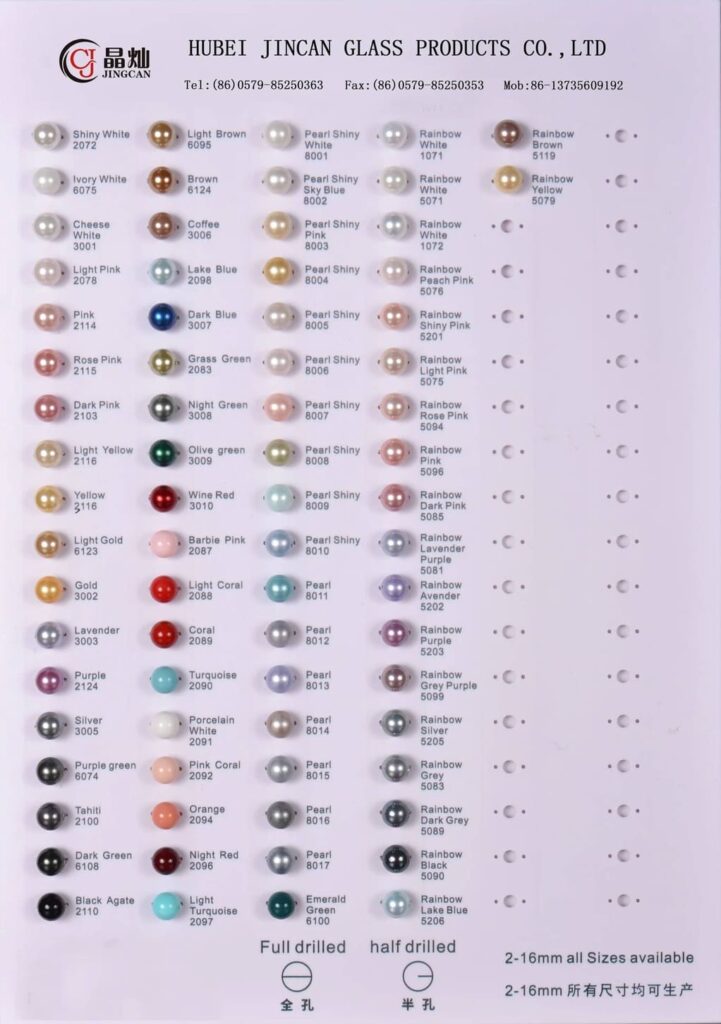
Bead Art Projects
Everyday fashion markets or custom bead art benefit from imitation pearls and alternative materials. The options supply flexibility and durability at a lower cost.
Securing a reliable manufacturing partner supports business success. JINGCAN possesses over ten years of experience in the beaded accessory industry, has a mature and stable multi-category accessory supply chain system, and is proficient in the entire production process of jewelry accessories. For commercial projects, we can provide custom designs for beaded jewelry with low minimum order quantities and offer customized packaging. Regular styles require a minimum order quantity of only 100 pieces per style, while complex custom designs require 200 pieces per design.
For Fine Jewelry and Heirloom Collections
High-end luxury segments continue to favor investment in real saltwater or freshwater pearls. Varieties such as South Sea white pearls often show an iridescent silver sheen. The sheen gives a regal aura. The Tennyo variety of Akoya pearls ranks as the highest grade among them. South Sea golden pearls that exceed 16mm remain extremely rare. The pearls hold significant collectible value. These gems are ideal for heirloom pieces that prioritize long-term value.
5. Care and Maintenance for Both Pearl Types
How to Clean and Store Real Pearls Safely
Proper maintenance matters greatly for natural gems. Calcium carbonate forms the main component of pearls, which makes pearls highly sensitive to physical damage. The friction test shows that two genuine pearls release a small amount of pearl powder when rubbed together. Genuine pearls should never rest next to sharp metal jewelry or abrasive gemstones. Clean genuine pearls only with a soft, damp cloth. This step preserves the nacre layer and soft moon-colored luster.
Keeping Your Imitation Pearls Looking Brand New
Imitation jewelry needs a different care approach. The approach focuses on the protection of the artificial coating. Many faux pearls consist of pressed shell beads or shell powder. The beads receive a coating of lacquer. The surface layer of glass pearls and plastic pearls peels off in pieces after rubbing together. Avoidance of harsh chemicals, perfumes, or excessive mechanical friction helps maintain uniform color and prevents lacquer damage.
6. FAQ
Q: What exactly does faux pearl mean in jewelry?
A: Faux pearls are manufactured beads designed to mimic the appearance of genuine natural gems. Common varieties include lightweight plastic pearls and shell beads.
Q: Are shell pearls considered real or imitation?
A: Shell pearls count as imitation pearls. Shell pearls share texture and weight with pearls. The beads lack the luster and color of pearls. Shell pearls form mechanically from shell materials. The beads do not grow organically inside an oyster.
Q: Why do some imitation pearls feel heavier than real ones?
A: The physical weight of an imitation pearl depends entirely on its core material. While plastic pearls are very lightweight and easily identifiable, imitation pearls made from shell materials have different properties. Shell beads are similar in texture and weight to pearls. Real pearls, composed of solid nacre and calcium carbonate, have a substantial feel and are cool to the touch.