
How Has the Rosary Bead Necklace Evolved Through Centuries of Spiritual Tradition?
The Origins of the Rosary Bead Necklace
Early Beginnings and Cultural Roots
The rosary bead necklace goes back to old civilizations. Beads served to count prayers or chants back then. In Hinduism and Buddhism, people used prayer beads called a mala to track mantras. In Islam, Tasbih or Misbaha served as a tool to recite the names of God. Known also as Misbaha or rosary beads, this rosary helps Muslims count beads during Dhikr (remembering God) prayers. This rosary acts as a spiritual tool and a symbol of faith. It usually includes 33, 66, or 99 beads (33 and 99 are more common).
Early forms built the base for the Christian rosary. Monks in medieval Europe started using strings of knots or beads to count prayers like the “Our Father,” and this practice led to the first clear rosary necklaces. The main goal stayed very spiritual — the necklaces helped believers meditate and stay focused during long sessions of devotion.
Evolution Through Religious Traditions
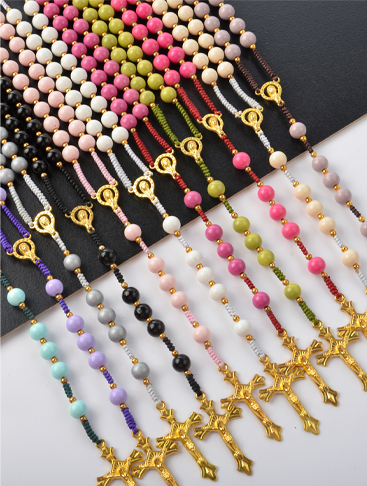
As Christianity grew, people adopted beaded prayer tools on a wider level. The Rosary necklace shows a special structure and religious symbolism. Key features cover a clear setup of beads, a crucifix (cross), and a central linking piece. According to Catholic tradition, this structure was deeply influenced by Saint Dominic in the 13th century. Historically, the rosary’s precise format evolved gradually over several centuries, shaped by various monks and faithful into the five-decade form we recognize today. In later years, groups like Eastern Orthodox Christians made their own types, such as the chotki or komboskini.
Key historical figures like Pope Pius V helped set up its use through papal decrees, and these steps strengthened its role in daily prayer habits. At the same time, Islamic Tasbih advanced on its own path but held similar meditative concepts — various religions changed bead necklaces to support spiritual focus in this way. It is worth noting that while often worn as necklaces in modern fashion, historical rosaries were traditionally carried in pockets, pouches, or hung from a belt as purely spiritual tools.
Structure and Symbolism of Rosary Bead Necklaces
Components of a Traditional Rosary Necklace
A standard Catholic beaded rosary necklace often has fifty-nine beads set in five decades. Each decade stands for ten Hail Marys. Bigger beads divide these sets for other prayers. The core section of the necklace holds five sets of ten small beads each. A central medallion connects to a short chain. This chain ends with a crucifix. Prayers begin and end at that crucifix.
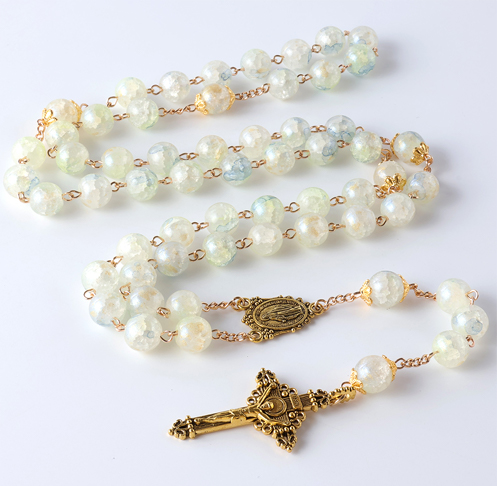
Materials differ a lot: glass, crystal bead rosary necklaces, wood, metal, or even natural stones like jade or pearl, based on cultural choices. JINGCAN’s GO2CJBEADS collection provides handcrafted styles made from glass beads, acrylic beads, and natural stone. These styles suit religious occasions and daily wear. In our showroom, guests can see various beaded fashion jewelry pieces. These pieces come from materials such as glass beads, acrylic beads, and natural stone.
Symbolic Meanings Embedded in Design
Each part carries profound significance. The crucifix represents sacrifice. White beads signify purity, blue ones devotion, and red ones passion. In Islamic Tasbihs, strands with 99 beads represent the 99 names of Allah. A Tasbih with 99 beads extends rather lengthy. Individuals employ this Tasbih to recite the 99 names of God. Similarly, Buddhist malas typically feature 108 beads. These beads symbolize spiritual completeness.
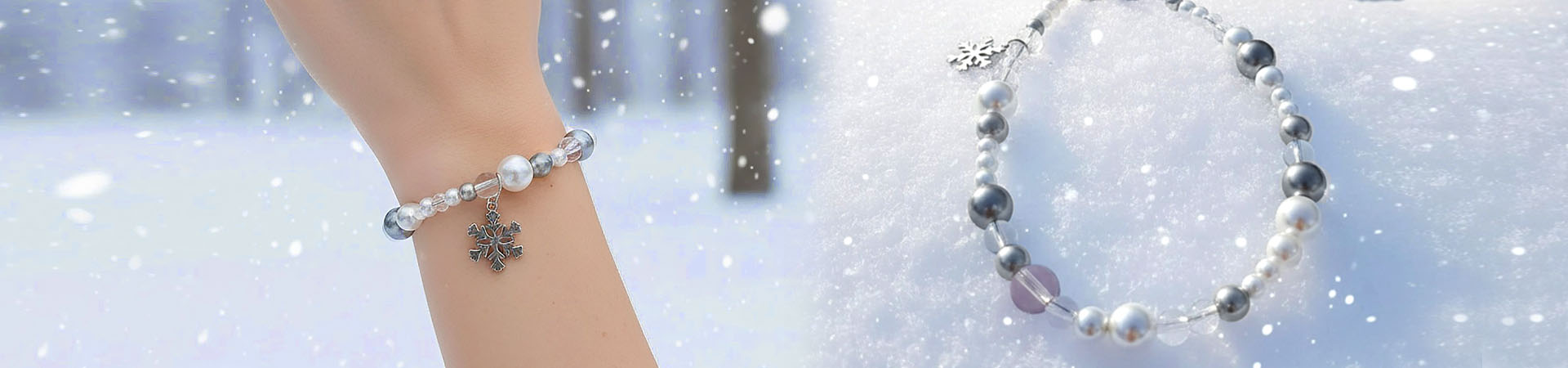
Today’s craftsmen incorporate elements like freshwater pearls or Tahitian black pearls into designs. This method introduces a gentle elegance. This method also carries sacred significance. Tahitian black pearls originate from the island. These pearls offer a mysterious and appealing allure. These combinations transform contemporary pearl rosary bead necklaces into pieces that satisfy spiritual and fashion requirements.
Spiritual Significance and Uses Over Time
Role in Prayer and Meditation Practices
For countless years, followers have depended on their beaded rosary necklaces for guidance during meditation and prayer rituals. Catholics offer formal prayers, Muslims carry out Dhikr, and Buddhists repeat mantras; everyone uses bodily repetition to boost concentration and peace. Moving fingers along each bead produces steady contemplation, which calms the thoughts and uplifts the soul.
Adaptations for Modern Spirituality
Today’s searchers mix rosaries into standard worship, plus mindfulness sessions or yoga meditations. Many people choose custom styles that match personal beliefs — adding gemstones tied to healing power or carved pieces showing safety. JINGCAN provides custom choices that allow clients to pick materials such as crystals or metals that fit their spiritual goals while keeping style appeal.
The Universal Appeal of Rosary Bead Necklaces
Cross-Cultural Adoption and Influence
From Catholic cathedrals to Islamic mosques and Buddhist temples, beaded prayer tools show humanity’s common need for spiritual links. These tools carry a broad rhythm that goes beyond religion, which turns them vital in global cultures. In Africa and Latin America, local makers adjust rosaries with local materials such as seeds or shells, while keeping the sacred purpose of these items.
Examples of Cultural Variations in Design
For instance, an African-inspired rosary-style beaded necklace may include wooden or bone parts that stand for family links, whereas an Asian version might feature jade for purity and long life.
Rosary Bead Necklaces in Contemporary Fashion
Integration into Modern Fashion Trends
Beyond spirituality, these necklaces have entered mainstream fashion as designers join old patterns with fresh looks. Celebrities often wear crystal bead rosary necklaces layered with other jewelry pieces — changing the items into signs of faith-meets-fashion style.
JINGCAN’s GO2CJBEADS brand guides this trend by providing custom-made bracelets and beaded necklaces, mixing skill with worldwide style ideas.
Balancing Tradition with Modern Aesthetics
Current makers respect tradition during shape changes — using basic chains or metal finishes while keeping sacred balance. This mix ensures that the necklaces serve as devotion signs even as style items.
Caring for Your Rosary Bead Necklace
Maintenance Tips for Longevity
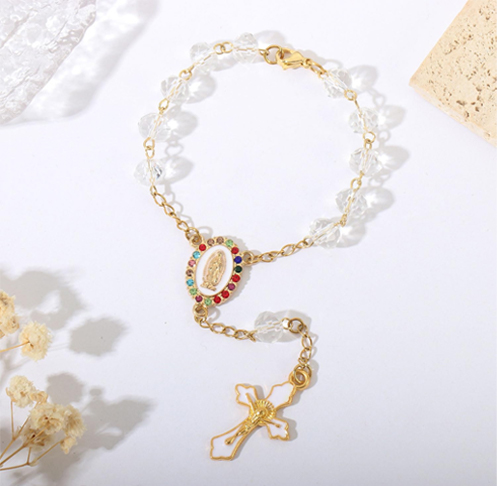
Right care keeps both looks and holiness. Clean gently with soft cloths. Avoid harsh chemicals. Store away from other jewelry to prevent scratches. Quality forms a main part of our company values. We check product quality through the whole production process. JINGCAN ensures every piece gets a check before shipment. In this way, the custom beaded rosary necklace holds its glow for a long time.
Understanding How Material Affects Care Requirements
Wooden beads need regular oiling; metal parts benefit from anti-tarnish storage; pearls require light wiping after use because of their soft nacre layer.
FAQ
Q: How many beads are in a rosary necklace?
A: 59. A traditional Catholic rosary includes 59 beads. It features five decades of smaller beads for the Hail Mary prayer. Larger beads separate those decades. The larger beads serve for the Lord’s Prayer, or Our Father. Further prayers, like the Glory Be, get recited in the gaps between. Litanies usually occur at the close of the rosary.
Q: What types of materials are used for modern beaded rosaries?
A: Glass beads, acrylics, crystals, and all types of natural stones, including jade, amethyst, and other precious stones. We also use quality pearls like Edison and South Sea pearls.
Q: Do you offer to make a custom handmade beaded rosary necklace?
A: Yes, please give us your design drafts with the material you need from crystal or pearl. We will provide you with a sample in one working day for your confirmation
Q: Can I place a large order for personalized religious jewelry products?
A: Yes. JINGCAN is capable of doing OEM production for bulk quantities with a low MOQ (100 pieces for each design). Also, the lead time is generally within 7-10 days according to the quantity of the order.