
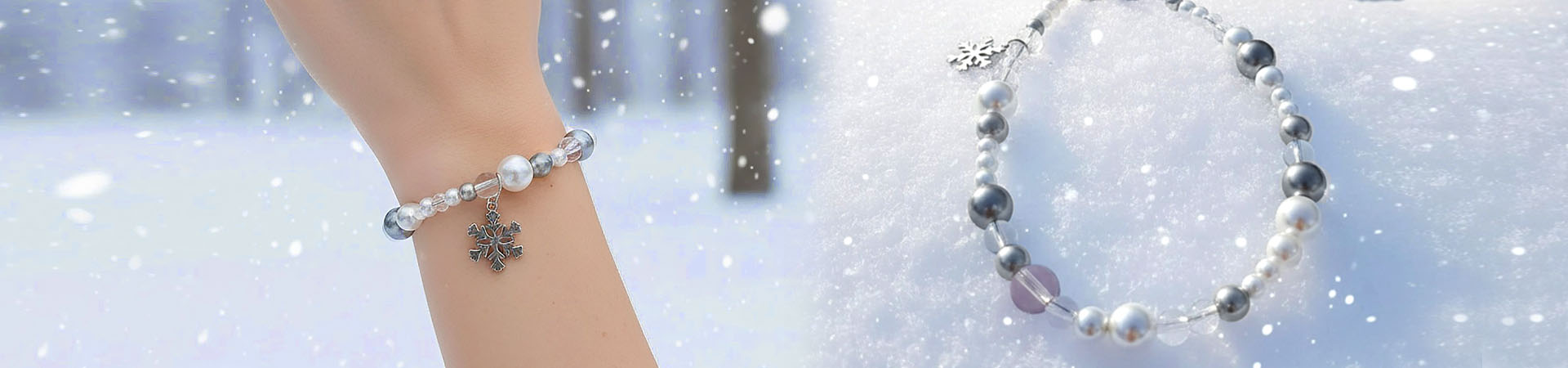
Fine Pearl Jewelry: Everything You Want to Know Before Buying
Table of Contents
Related news
- Fine Pearl Jewelry: Everything You Want to Know Before Buying
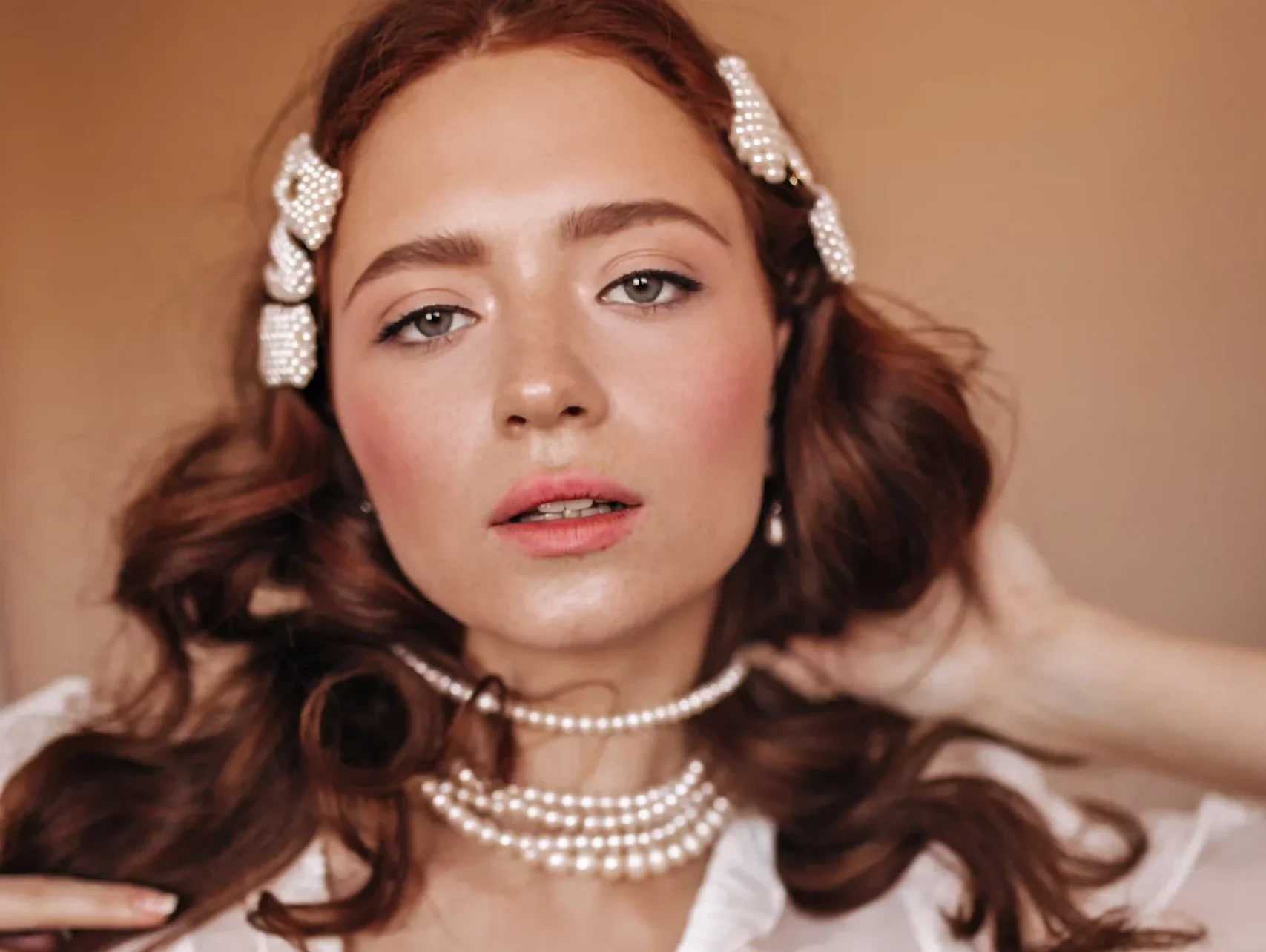
- How Can Glass Pearl Jewelry Offer a Refined Look Without the Maintenance of Natural Pearls?
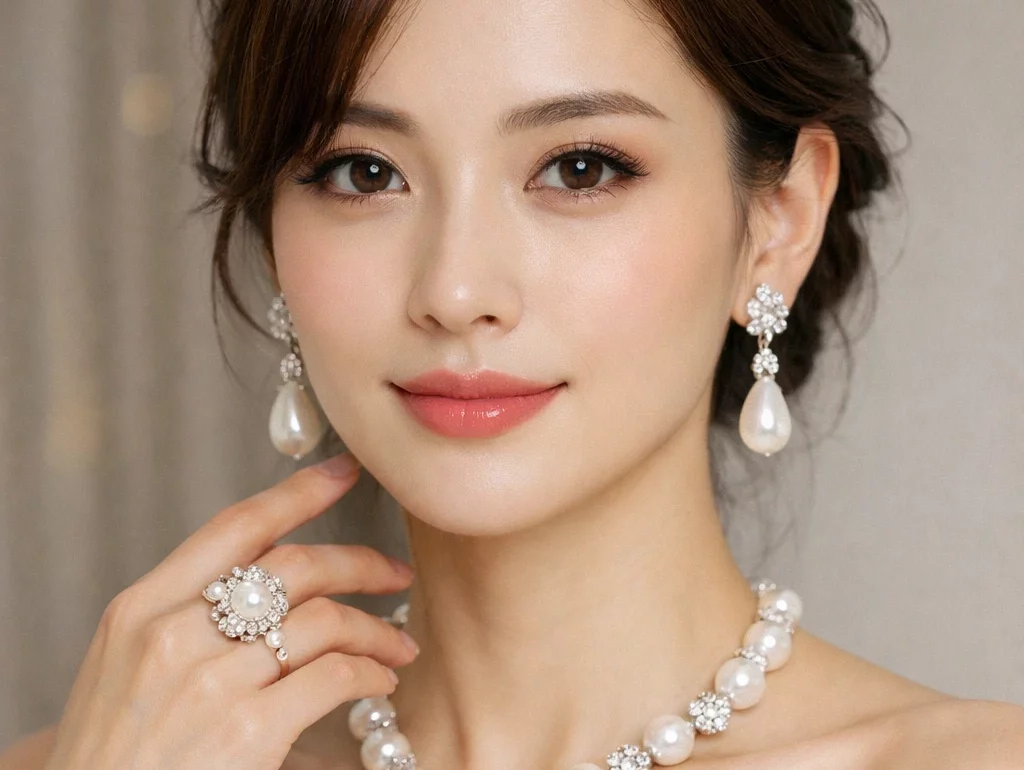
- What Makes Fresh Pearl Jewelry Stand Out in Contemporary Design With Its Organic Texture and Soft Iridescence?
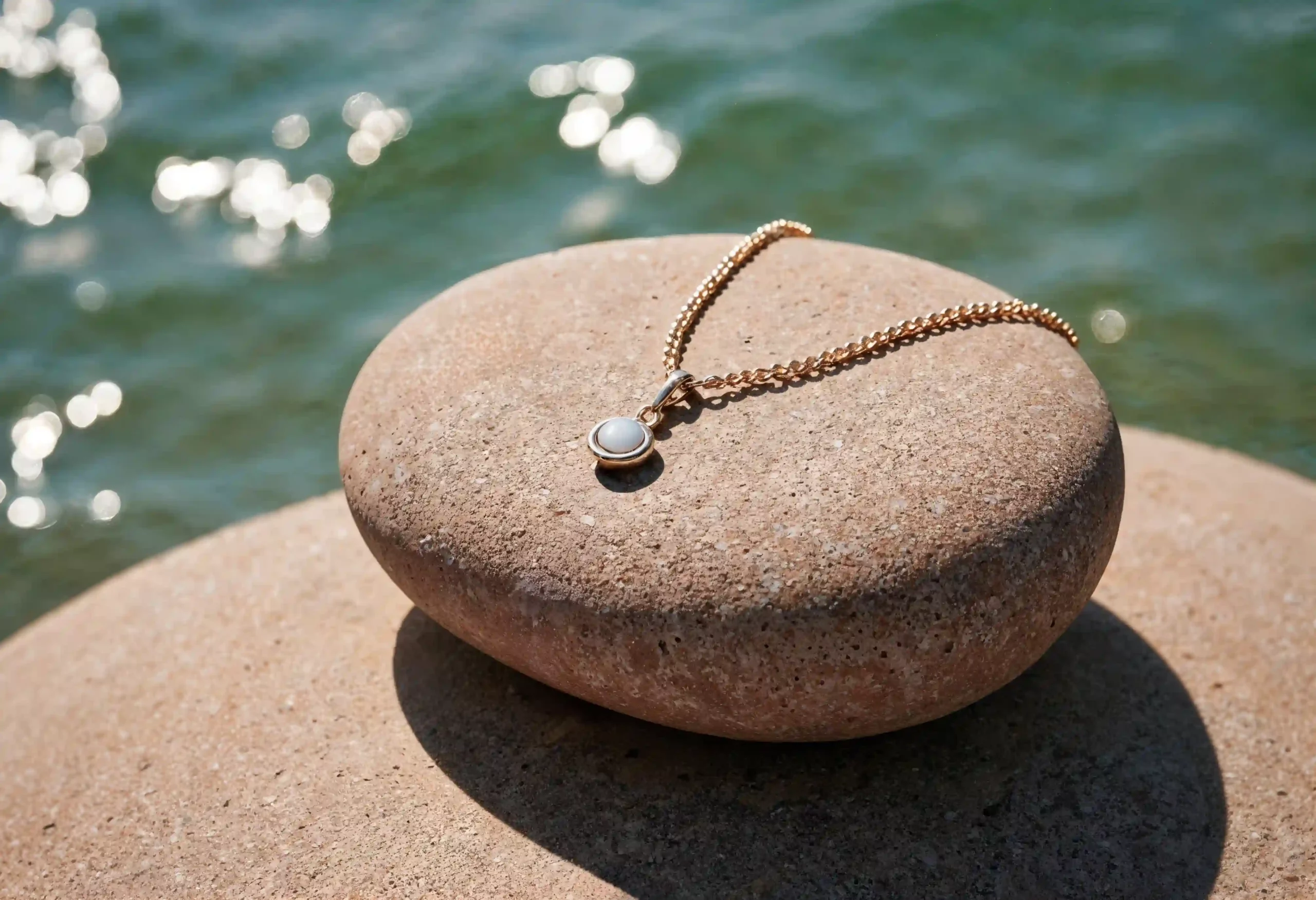
- How Is Pearl Jewelry Evolving to Bridge Tradition and Modern Style for Today’s Wearers?
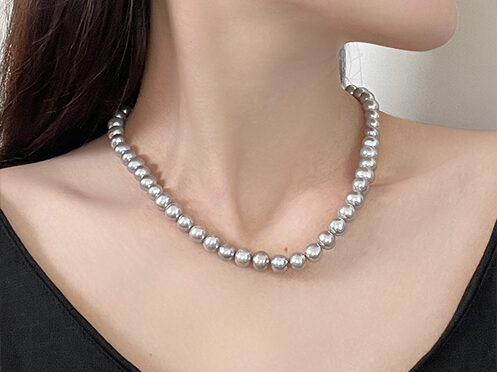
- Beaded Jewelry : All the Basics You Need to Know
Where Do Pearls Actually Come From?
How Are Pearls Formed Naturally?
Pearls count as one of nature’s most interesting products. A mollusk forms pearls to guard against an irritant. The mollusk covers the irritant with nacre, one layer at a time. This coating builds until a shiny gem takes shape. Water quality and surroundings hold an important part in setting the pearl’s shine and evenness. Cleaner surroundings produce brighter pearl shine. This feature defines fine pearl jewelry. The jewelry has drawn collectors for many years.
Are Saltwater Pearls Better Than Freshwater Pearls?
Saltwater pearls usually appear rounder. These pearls show a stronger shine. Freshwater pearls come in varied forms and colors at more affordable prices. Pearls are mainly divided into two categories: freshwater pearls and saltwater pearls, and each category has several sub-varieties. Buyers select based on taste and funds. Saltwater pearls match lasting grace. Freshwater pearls suit flexibility and new ideas.
Why Are Pearls So Expensive?
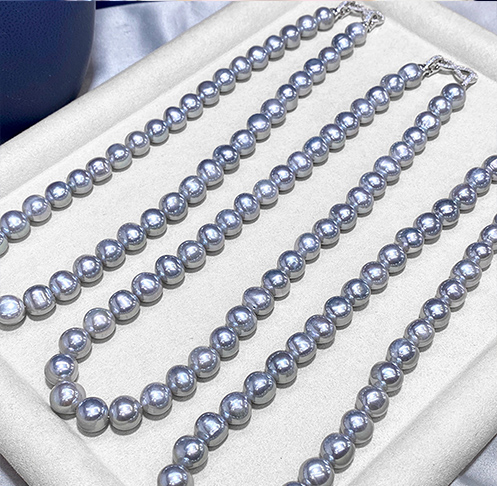
The worth of fine pearl jewelry rests in its shine. The shine creates a mirror reflection. This reflection brings the inner light to pearls. A clearer and stronger reflection boosts the value. Size plays a role, too. Larger pearls require more time to develop. Strong shine can outrank size in value at times. Surface smoothness, scarcity, and form balance also shape costs. Larger pearls generally cost more because they take longer to grow. Larger pearls generally cost more because they take longer to grow.
Natural vs. Cultured Pearls: What’s the Real Difference?
Natural pearls develop without human input. These pearls are very rare these days. Cultured pearls grow with human guidance. These pearls keep their status as true organic stones. The stones consist only of nacre. Workers create cultured pearls by placing a core into a mother-of-pearl oyster. They allow the core to develop for 2-3 years. Cultured pearls are grown by inserting a nucleus into a mother-of-pearl oyster and allowing it to grow for 2-3 years. Most current fine pearl jewelry uses fine cultured types. These types provide good looks and eco-friendly practices.
How to Tell If Pearls Are Fake
Imitation choices crowd the market now. Identifying real pearls proves essential before buying fine jewelry items.
Check the Luster
Real pearls offer real depth. Light looks to rise from inside. The light does not simply reflect from the outside. Fake pearls often appear overly shiny or plastic in feel.
Examine the Surface
Real pearls might show small flaws or bumps. Perfect surfaces at oddly low costs usually indicate fakes.
Look at the Drill Hole
Genuine pearls feature drill holes that look neat and precise. Fake layers might flake near holes after use.
Compare Weight and Temperature
Real pearls seem heavier and colder than plastic copies. Real pearls feel cool to the touch and become close to body temperature after wearing, while plastic pearls do not feel cool. In cases of doubt, seek proof from a reliable jewelry supplier like JINGCAN. The jeweler upholds firm quality checks across all collections.
What Type of Pearl Should You Choose?
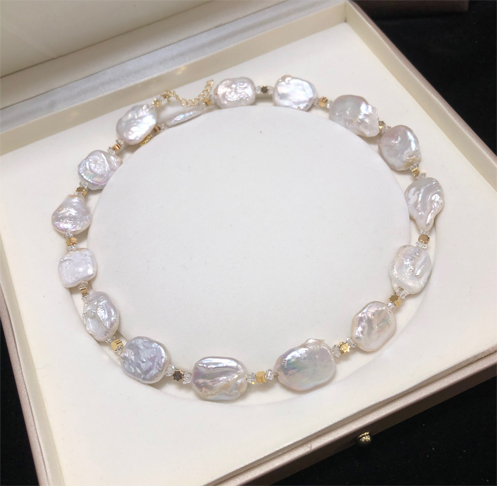
Each pearl type delivers its own appeal for various events:
Akoya Pearls
Akoya pearls are produced by the Pinctada martensii oyster. Akoya pearls serve as classic Japanese saltwater stones. These stones earn praise for their round shapes and bright “mirror” shine. The qualities suit lasting necklaces or simple earrings. Such items hold steady in fashion.
South Sea Pearls
Our South Sea pearls are sourced from the South Pacific – Australia, Indonesia and the Philippines – and are farmed on wild white-lipped oysters for 3 to 5 years. Found in the tropics surrounding the Indian and Pacific oceans, South Sea pearls are recognized for their extraordinary sizes, frequently surpassing 10mm. Their unique soft lustre has made them one of the world’s most coveted symbols of glamour and opulence in high-end pearl jewellery globally.
Tahitian Pearls
Tahitian black pearls originate from the island of Tahiti. Tahitian black pearls reveal striking colors like peacock green or silver-gray. These colors fit people who chase strong style with unique appeal.
Freshwater Pearls
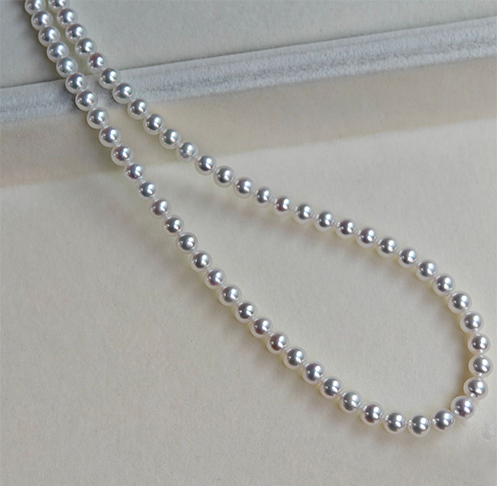
Freshwater pearls prove affordable but still bright. These pearls take many shapes, such as round, oval, or irregular. The range creates broad options for current custom jewelry. Examples cover bracelets or stacked necklaces from GO2CJBEADS.
Are Pearls Still in Style?
Yes! Current designers reshape old grace with fresh methods. Fine pearl jewelry includes uneven patterns, combined metals, or basic gold links joined with diamonds or crystals. Stacked styles keep a strong draw for young style enthusiasts. These enthusiasts favor adaptable items. The items move smoothly from daily outfits to night events.
At JINGCAN, the group merges old skills with current styles. This blend occurs in custom hand-made bracelets and necklaces. The pieces draw on quality supplies like natural stone or crystal beads beside cultured pearls. Each piece projects personal style.
How Do You Care for Pearl Jewelry?
To maintain their appeal:
- Store separately in soft pouches to avoid scratches.
- Keep away from perfumes or harsh chemicals that can erode nacre layers.
- Wipe gently with a soft cloth after each use to remove oils or residues.
Proper care changes your fine pearl jewelry into prized family pieces. These pieces are handed down over generations.
FAQ
Q: What makes fine pearl jewelry different from regular pearl accessories?
A: Fine pearl jewelry is set on top of natural or cultured pearls. These pearls include better shine, nacre thickness, and skill levels. Such qualities appear in designer or custom lines like those from GO2CJBEADS.
Q: Can I order customized fine pearl jewelry from JINGCAN?
A: Yes! Clients need to provide design drafts (AI/PSD/JPG format) or physical samples, specifying detailed requirements such as materials, dimensions, and colors. Clients need to provide design drafts (AI/PSD/JPG format) or physical samples, specifying detailed requirements such as materials, dimensions, and colors. The team delivers custom options in hours. This service covers sample creation before production starts.
Q: How long does it take to produce customized pearl bracelets or necklaces?
A: Production cycle: 7-10 working days for 500 to 1000 pieces. – 15 to 20 working days for an order exceeding 1000 pieces. – Production times can be shorter in the case of hand-made custom bracelets with freshwater or Akoya pearls.
Q: How does JINGCAN(GO2CJBEADS) ensure product quality for fine pearl jewelry?
A: We strictly control product quality throughout the production process, continuously innovate, and are always committed to developing new jewelry styles. Staff reviews each item before dispatch. This practice secures perfect receipt worldwide.
Q: Why choose GO2CJBEADS fine pearl jewelry as gifts?
A: Each piece joins art with purpose. The piece represents clean style and grace. Expert workers craft these items by hand at JINGCAN’s Yiwu workshop. This method renders every necklace or bracelet truly unique.